Herb-Roasted Rotisserie Turkey with White Wine Shallot Gravy
There is something wonderfully comforting about a roast shared around a table, especially when autumn arrives and the days begin to cool. This succulent rotisserie turkey takes that familiar feeling and gives it a little extra character, pairing crisp, golden skin with fresh herbs, white wine, and a rich shallot gravy.
The turkey is dry-brined ahead of time, then slowly rotated on the grill while being basted with schmaltz infused with thyme and sage. Rendered chicken fat adds a deep, savoury richness and helps the skin turn beautifully crisp, while the herbs bring a fresh, aromatic note to every bite.
As the turkey cooks, its juices mingle with white wine and shallots in the drip tray below, creating the base for a silky gravy that brings the whole meal together. Serve it with roasted seasonal vegetables, potatoes, and a good loaf of bread for a generous autumn meal that's equally at home at a family Sunday lunch or a long dinner with friends.
Herb-Roasted Rotisserie Turkey with White Wine Shallot Gravy
PrintIngredients
Method
Photos
Turkey:
- 10 lb. (4.5kg) turkey
- 3 tbsp. kosher salt
- 1 tbsp. baking powder
- Freshly ground black pepper to taste
- ¾ cup (155g) rendered chicken fat (schmaltz)*
- Bundle fresh thyme
- Bundle sage leaves
- 2 cups (500ml) white wine
- 2 cups (500ml) hot water
- 3 shallots, halved and peeled
- Optional: turkey giblets
*You can also use duck fat or butter
White Wine & Shallot Gravy:
- ¼ cup (55g) melted schmaltz or butter
- 1 large shallot, minced
- ¼ cup (30g) flour
- 1 cup (250ml) white wine
- 3 cups (500ml) turkey drippings*
*If you don’t have enough drippings, vegetable cooking water or stock makes a great supplement
NOTE: Turkey cooks at a rate of 15 to 20 minutes per pound (or per 0.5kg). You can estimate the time based on the size of the turkey that you purchased. If your turkey is larger than 10 lbs. (4.5kg), increase the recipe and cook time accordingly.
- The day before, remove your thawed turkey from the packaging. Pat it dry and place it onto a rack over a rimmed baking sheet. Combine the salt, baking powder, and black pepper. Season the turkey on all sides and allow it to dry in the fridge until you are ready to cook.
- When you are ready to cook, truss the turkey to prevent loose wings and legs, helping the turkey cook evenly on the rotisserie.
- Thread the turkey onto your spit rod. Secure the forks into the turkey and test the rotisserie to make sure the bird is balanced. Carefully lift the spit rod using the palms of your hands. If the turkey tips to one side or the other, it needs to be balanced. Add a counterweight to the opposite side as needed.
- Check the size of your turkey and see if it will fit on the rotisserie without needing to remove your cooking grids. Then, preheat your barbecue to 325°F (163°C) using the rear or bottom outside burners.
- Place a tray below where you are putting the bird. Add the sliced shallots, wine, and water. Optionally, toss your turkey neck and giblets into the liquid to fortify it for later. Thread the spit onto your grill and turn the motor on, letting the rotisserie do its thing.
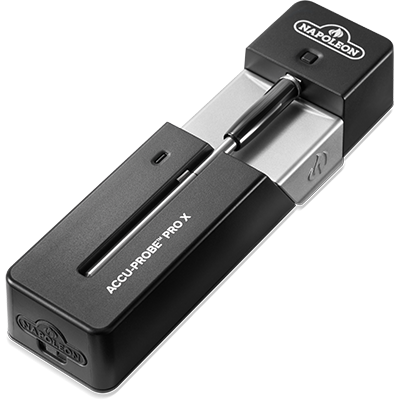
PRO TIP: Use a wireless digital thermometer to monitor the internal temperature for optimal cooking. - HELP! My turkey doesn't fit on the rotisserie!
That's alright; sometimes your turkey doesn't fit. You can roast your turkey directly on the cooking grids instead of using your rotisserie. Simply remove the cooking grids and some sear plates to place your drip tray, filled with wine, shallots, herbs, and giblets, and replace the grids. Ignite two burners to either side of the drip tray. Then, when the grill is up to temperature, place the turkey onto the cooking grids over the drip tray. Cook using the same directions below. - Meanwhile, melt the rendered chicken fat in a saucepan with a handful of sage leaves and thyme—about 5 or 6 of each. Keep the fat melted. Baste your turkey every 15 to 20 minutes with the herb-steeped schmaltz.
- Your turkey is ready to come off the grill when the thickest part of the breast reaches 155°F (68°C) and the dark meat around the thighs reaches 165°F (74°C). Remove the turkey from the grill, cover it loosely with foil, and wrap it in towels. Let it rest for 15 to 20 minutes before carving. The residual heat will continue cooking the turkey while the rest keeps it warm and juicy. Use this time to finish your vegetables, stuffing, and whip up the gravy.
- For the gravy, remove the drip tray from the grill and carefully strain the drippings into a suitable container. In a saucepan over medium-low heat, melt your fat, and allow the minced shallot to cook down. Then, whisk in the flour to form a paste. Allow the flour smell to cook out; this can take up to five minutes. The longer you do this, the darker the flour will get, and in turn the gravy will have a deeper flavour too. Gradually add the wine and liquid from the turkey drippings, a little at a time, whisking constantly. The first addition will bubble and may turn into a thick, clumpy paste—that's exactly what you want. Keep adding liquid gradually, stirring between each addition, until your gravy reaches the consistency you like. Season to taste with salt and pepper. You may not need all of the liquid. If your gravy becomes too thin, let it simmer until it thickens; if it's too thick, simply whisk in a little more liquid.
- Once your turkey has rested, carve it by cutting around the legs and pressing down firmly to pop the thigh bone from the socket. Separate the legs from the thighs, then remove the breast meat by cutting down along the keel bone and following the breastbone with your knife. Slice the breast meat, then remove any remaining meat, including the wings. Arrange your beautifully carved turkey on a platter and serve it alongside plenty of gravy and all your Thanksgiving favourites—mashed potatoes, stuffing, roasted vegetables, and whatever else is a must for your holiday table.
- Pair this meal with the wine you used to cook for a beautiful, full-circle moment. An herbal harmony pairing would be a Sauvignon Blanc, while the dry Riesling will offer a sharp mineral flavour to cut through the buttery gravy and sweet shallots. If red is required for a holiday meal, go with a low-tannin Beaujolais or Gamay, which won’t overpower the meat and herbs. A peppery and fruity Belgian Farmhouse Ale is perfect for pairing with this turkey dinner. Alternatively, a Bière de Garde has a complex and bubbly flavour that complements the caramelized skin and the sweet shallots.
Give the turkey plenty of time to rest before carving, then pair it with that silky white wine and shallot gravy. A glass of Sauvignon Blanc, dry Riesling, Gamay or a Belgian farmhouse ale makes a lovely pairing. All that's left is to gather everyone around the table.
What is your favourite way to prepare a whole turkey? Share your turkey BBQ recipes, stories, and photos with us on Facebook and Instagram. Use the hashtags #NapoleonEats and #NapoleonGrills for a chance to be featured.
Happy Grilling!
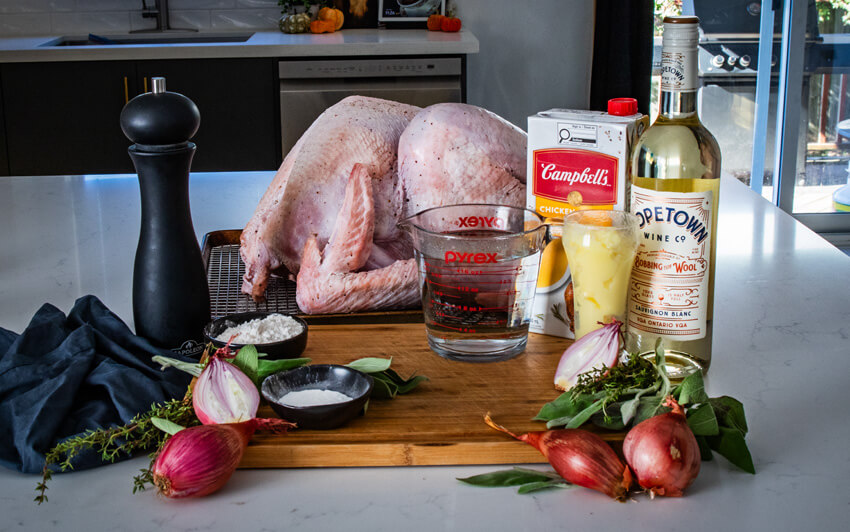
Gather your ingredients
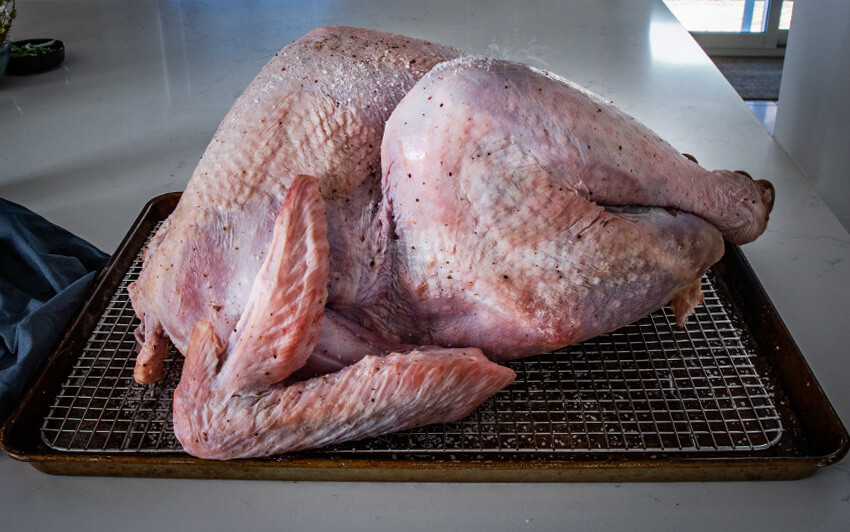
Season the turkey and dry brine it in the fridge for at least 24 hours
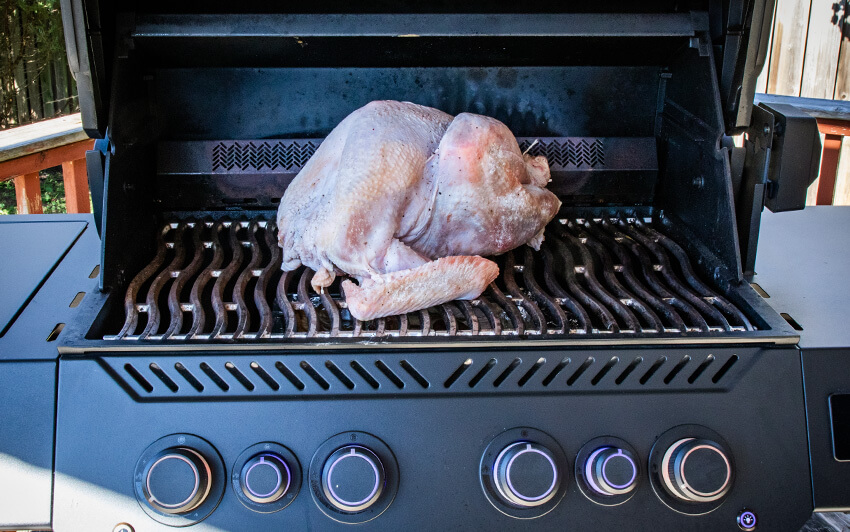
If your turkey doesn't fit on the rotisserie, you can roast it directly on the cooking grids
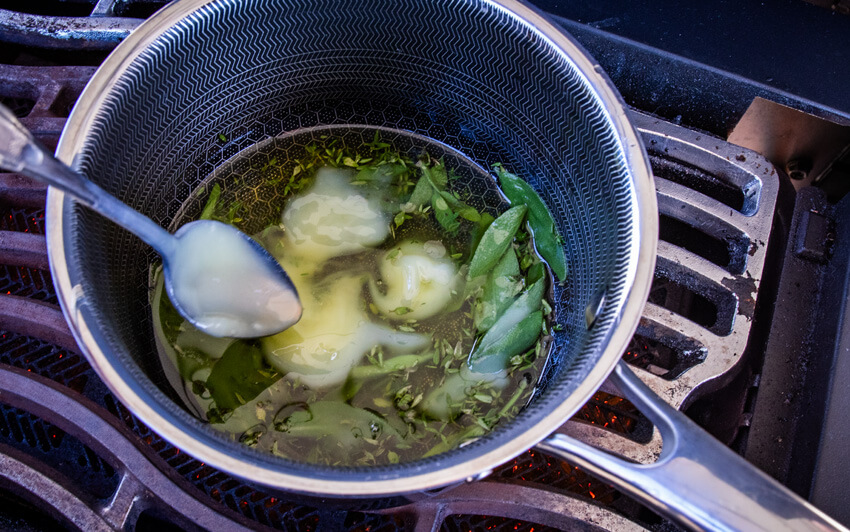
Once your turkey is on, melt schmaltz and steep the thyme and sage
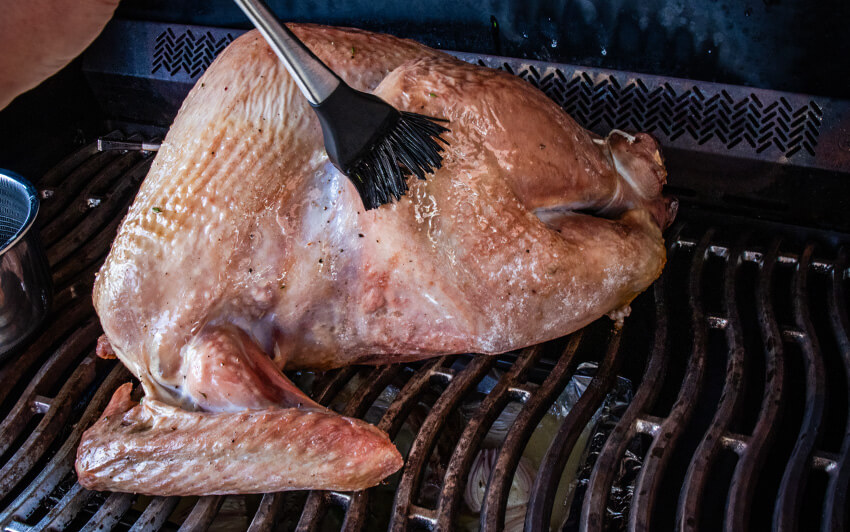
Baste your turkey with the herb-steeped schmaltz every 15 minutes
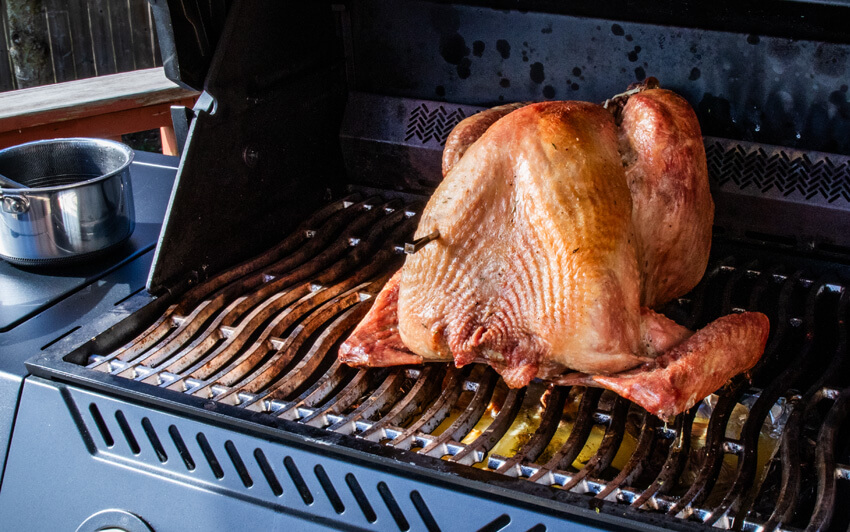
Roast the turkey until an internal temperature of 155°F (68°C) in the breast and 165°F (74°C) in the thigh/leg
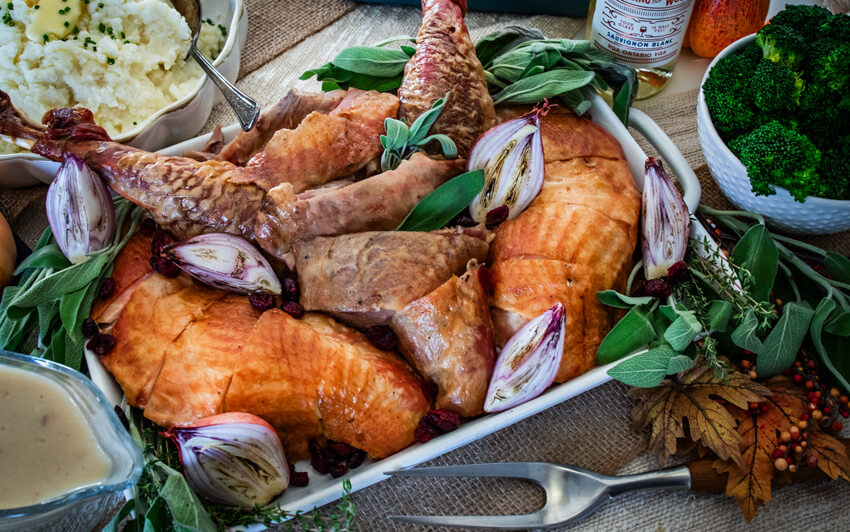
Rest the turkey under a few towels until you are ready to serve. Meanwhile, make the gravy
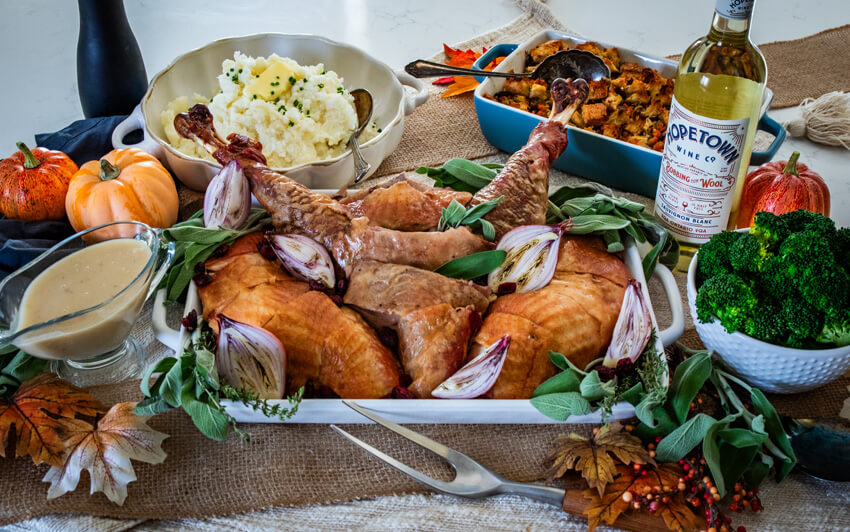
Serve with your favourite seasonal sides
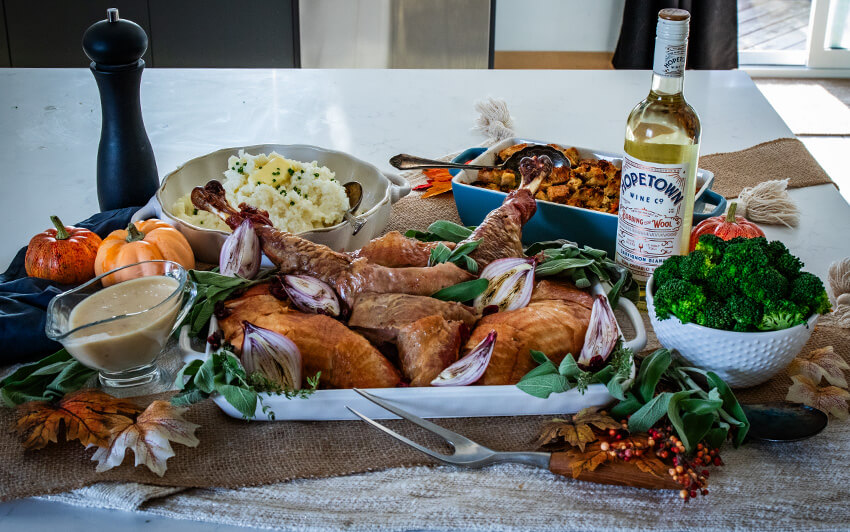
Pair this meal with the wine you used to cook; a Sauvignon Blanc or dry Riesling will offer a sharp mineral flavour ideal for cooking and serving. If red is required, go with a low-tannin Beaujolais or Gamay. For beers, a Belgian Farmhouse Ale or a Bière de Garde will be ideal

I used to be the Sultana of Sizzle, but you can call me Andrea. I have always been passionate about food. Even though I was majoring in Art and Graphic Design, I would frequently be found cooking for my friends and family.
Search Recipes

Making a juicy, tender turkey for Thanksgiving doesn’t have to be stressful. With your grill and a rotisserie, you can create a golden, buttery bird that’s guaranteed to impress.
Gather your ingredients
Season the turkey and dry brine it in the fridge for at least 24 hours
If your turkey doesn't fit on the rotisserie, you can roast it directly on the cooking grids
Once your turkey is on, melt schmaltz and steep the thyme and sage
Baste your turkey with the herb-steeped schmaltz every 15 minutes
Roast the turkey until an internal temperature of 155°F (68°C) in the breast and 165°F (74°C) in the thigh/leg
Rest the turkey under a few towels until you are ready to serve. Meanwhile, make the gravy
Serve with your favourite seasonal sides
Pair this meal with the wine you used to cook; a Sauvignon Blanc or dry Riesling will offer a sharp mineral flavour ideal for cooking and serving. If red is required, go with a low-tannin Beaujolais or Gamay. For beers, a Belgian Farmhouse Ale or a Bière de Garde will be ideal
Accessories
Feel like a professional griller