
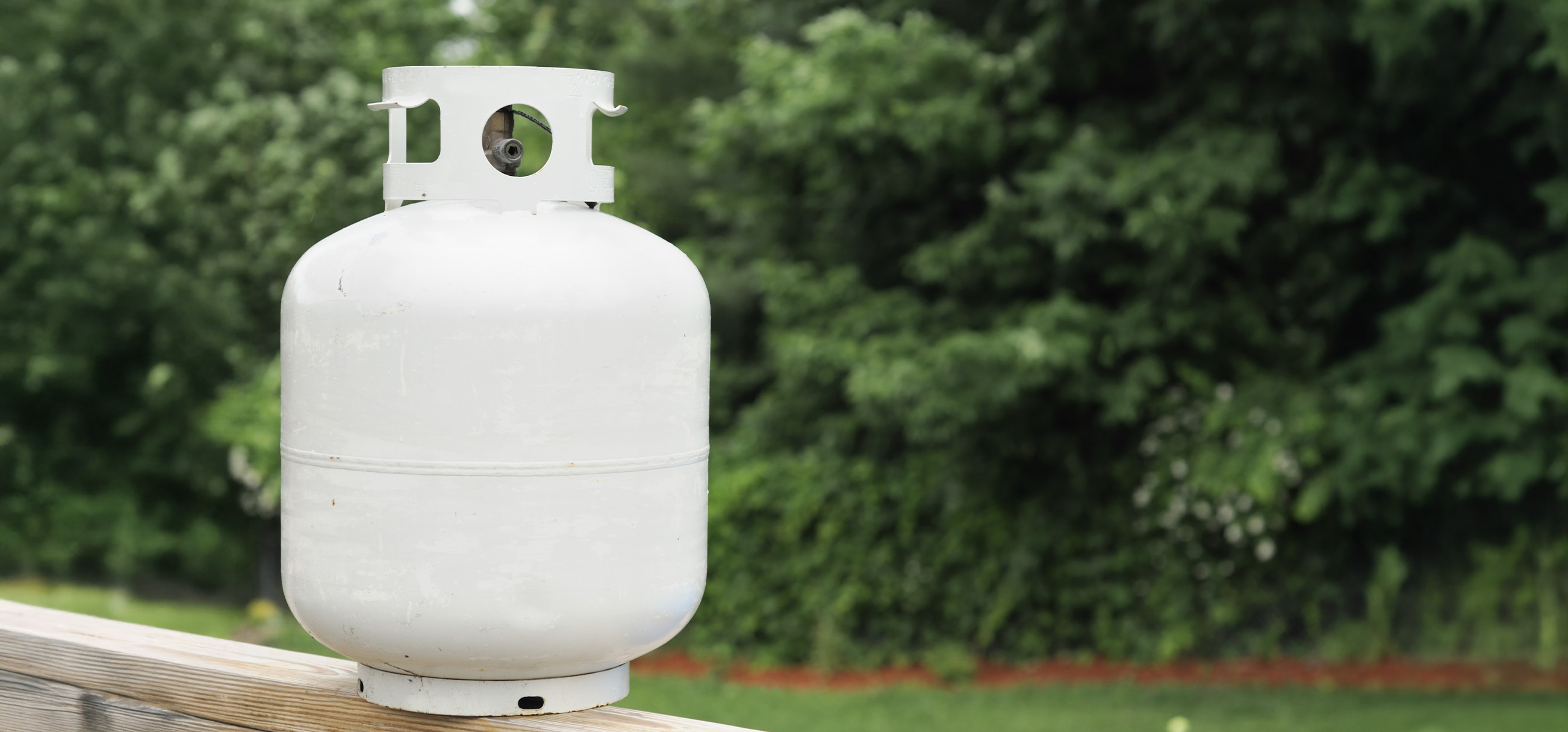
Better Grilling Through Propane Safety
There’s nothing quite like firing up the BBQ on a sunny day—whether you’re flipping burgers, grilling dogs, or just enjoying the sizzle. But before you get cooking, it’s important to make sure your propane tank is properly hooked up… and that there’s actually some gas in it. (We’ve all been there—mid-BBQ, out of propane, and hoping the corner store’s still open!) Propane is a clean, reliable fuel that makes outdoor cooking simple and convenient, especially with a Napoleon Grill. A few quick safety checks go a long way to keeping your home, your barbecue, and your guests safe, so you can focus on what really matters: good food and great company.
Whether you’re installing a new propane tank, lighting your BBQ for the first time, or storing your BBQ for the off-season, this guide covers everything you need to know about propane safety.
How to Install a Propane Tank
Installing or exchanging a propane tank is simple when done carefully:
- Disconnect the regulator hose from the empty tank if you are swapping your tank.
- Remove the old tank and insert the new one.
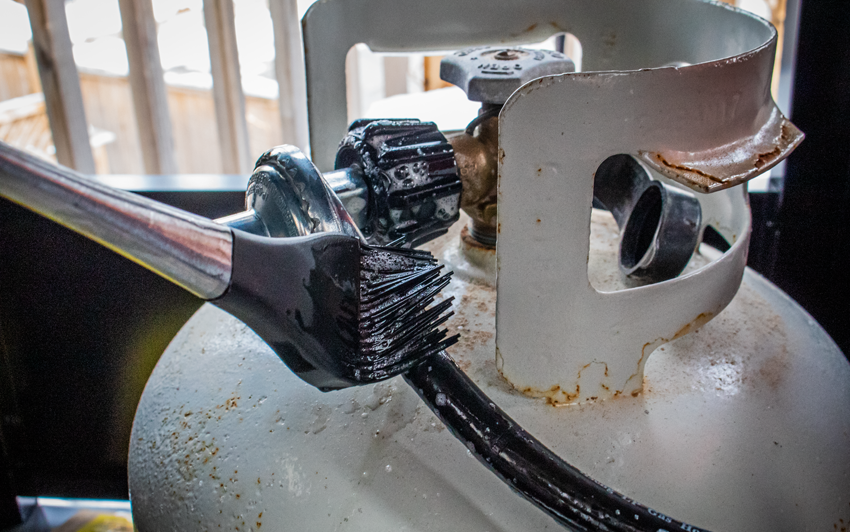
- Reconnect the regulator hose to the new tank. Line it up carefully and hand-tighten gently to avoid cross-threading.
- Check for leaks. Always perform a propane leak test before lighting your BBQ after a swap. You may also notice a sulfur smell (mercaptan) or hear a hiss if there’s a leak.
How to Light Your BBQ
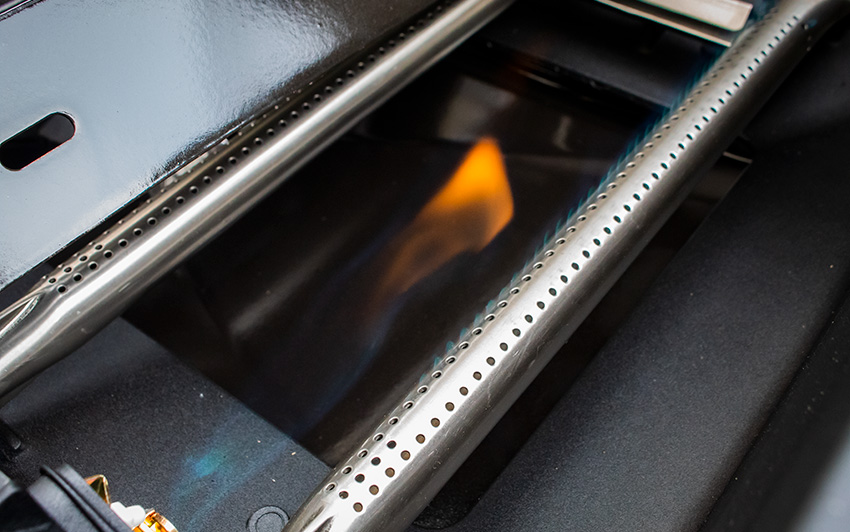
Napoleon barbecues make lighting effortless with their Jetfire™ Ignition System, which sends a direct jet of flame to each burner. Single-handed ignition of your grill is worry-free, requiring no extra batteries or effort.
Lighting Your BBQ
- Always open the lid before you light.
- Slowly open the valve on the propane tank – don’t over-open so that it is hard to close when you are done.
- Turn on the grill’s gas using the control knobs – the knob will click and a spark from the starter will ignite a jet of flame that will light each individual burner on your Napoleon. For other barbecues, turn on the gas at the control panel and press the ignition button.
- If your Napoleon doesn’t light right away, it’s easy to just try again as you are only lighting one knob. This can occur when the weather is damp, or the sparker of your igniter could be dirty. If your non-Napoleon doesn’t light right away, turn off the burners and let the gas dissipate for 5 minutes before trying again.
PRO TIP:
Always shut off your propane tank when you're done grilling. This conserves gas, protects your regulator, and helps prevent leaks.
How to Store Propane Safely
Propane tanks should always be stored upright, outdoors, and on a stable, non-flammable surface like concrete. While it’s not necessary to cover your tank, it's important to keep it out of direct sunlight to prevent pressure buildup. Tanks should never exceed temperatures of 120°F (49 °C) or fall below -40°F (−40 °C). Tanks can be stored in the garage or a detached shed, as long as they're kept away from electrical sources and flammable or combustible materials. Never store an extra propane tank under your BBQ or bring it inside your home and avoid leaving a filled tank in a hot car or trunk—extreme heat can increase internal pressure and trigger the relief valve, allowing gas to escape.
How to Check Tank Levels
If you're wondering how much propane is left in your tank, there's a simple trick you can try at home. Pour hot water down the side of the tank, then run your hand along the metal surface—when you reach a noticeably cooler spot, that's the level of the remaining propane. For a more high-tech solution, the Napoleon Prestige Series Connected Grills come equipped with a built-in tank scale that gives you an approximate reading of how much fuel you have left, so you're never caught off guard mid-barbecue.
PRO TIP:
Did you know that you will get more propane into a cylinder when the air around the tank is cooler? (Not freezing temperatures, but a nice temperate day vs. days that are 86°F / 30°C.)
Where Do You Buy Propane?
Propane is easy to find through exchange programs offered at hardware stores, gas stations, or even via delivery services in some areas. When you pick up a new tank, always remember to inspect for rust, dings, and dents, as they can indicate leaky or dangerous tanks. Furthermore, if you are using an exchange program, remember to transport the tanks, preferably, away from passenger areas, and ensure they remain upright and secured in place.
BBQ Maintenance = Propane Safety
A clean, well-maintained BBQ, is a safe BBQ.
Remember to:
- Perform deep cleaning at least twice a season.
- Empty the grease tray every 4 to 10 uses.
- Check hose and regulator connections regularly and do leak tests often.

PRO TIP:
Never use your grill indoors or in enclosed spaces. Propane barbecues emit carbon monoxide, which is dangerous without proper ventilation.
People Also Asked:
How to be Safe With a Propane BBQ?
Always use your BBQ in a well-ventilated, open space with plenty of clearance overhead. Be sure to clear the area of any flammable materials before you start cooking. Propane is infused with a distinct, gas-like odor to help you detect leaks, so trust your nose if something smells off. And remember to keep the grill lid open while lighting to prevent the risk of flashback.
What Not to Do With a Propane BBQ?
Some of the most common grilling mistakes are easy to avoid once you know what to look out for:
- Forgetting to preheat the BBQ can lead to uneven cooking and food sticking to the grates.
- Starting with a dirty BBQ not only affects flavour but can also cause flare-ups from built-up grease.
- Many people overlook the importance of using the control knobs to manage heat levels, resulting in either scorched or undercooked food.
- Constantly lifting the lid while your food cooks disrupts heat retention and slows down the cooking process.
- Running low on propane mid-cook is a quick way to bring your barbecue to a halt—always check your tank before you start.
Do You Turn on the BBQ or Propane First?
To safely and effectively start your gas BBQ, begin by turning on the propane tank valve. Next, open the grill lid—this is a crucial safety step to prevent any gas from building up inside the BBQ. With the lid open, turn the burner knobs to the "on" or "high" position. If your BBQ has an igniter button, press it to ignite the burner. If not, carefully use a long match or lighter wand to light the grill manually. Once lit, turn on the remaining burners if needed, close the lid, and allow the BBQ to preheat on high for 10 to 15 minutes before cooking.
How do I Keep my Propane BBQ from Catching Fire?
The first tip to preventing grease fires and flare-ups is to clean your BBQ. Every grill has a drip pan and tray under its cooking grids and burners. When they become too full, and when the oil or grease has reached its maximum temperature, grease fires occur. This can be dangerous when using a gas based fuel source. If a grease fire occurs, turn off your burners and the gas flow at the source. Then use baking soda to douse the flames. Never use water to put out a grease fire.
Be Safe and Grill Some Amazing Food!
Barbecuing with propane is a safe and easy way to enjoy some top-notch eats, so long as you follow a few common-sense steps. From hooking up the tank to storing it properly after the party winds down, looking after your grill and fuel means every backyard cookout is the best one yet. Keep things safe, keep things tasty, and remember—propane is a powerful helper, but it deserves a little respect. And hey, always grill outside, eh? Got a favourite BBQ safety tip of your own? We’d love to hear it! Share your tips, stories, and photos with us on social media like our Facebook and Instagram pages using the hashtags #NapoleonEats and #NapoleonGrills.
