

Back Ribs Vs. Spare Ribs - What's the Difference?
Delve into the world of pork ribs and unlock the secrets of their origins. Contrary to popular belief, not all ribs are created equal. This article unveils the nuanced differences between back and spareribs, shedding light on their unique characteristics and culinary potential. Learn how to discern between these two cuts and discover the benefits of each. From understanding where to find the best deals to mastering the art of grilling, we'll equip you with the knowledge needed to host the perfect backyard barbecue. So, what's the difference between back and spareribs? Join us on a flavourful journey as we explore this age-old debate and uncover the answers you seek.
Tickle Those Ribs
There are two main types of pork ribs that you can purchase. Spareribs and Back Ribs. They come from two different places on the pig.
Spareribs:
Meatier than the Back Rib, Spareribs – also known as side ribs - are thick, juicy, and come from the belly section of the pig (where bacon comes from). They usually come with the sternum, costal cartilage, and flap still attached. From the Sparerib, you can get St. Louis style or Louisiana style ribs. These are more like what you see at restaurants and in competitions. The breastbone and cartilage have been trimmed from the top of the ribs, the flap has been removed from the back, and the meat has been trimmed up so that the ribs have a uniform rectangular shape.

Back Ribs:
These can sometimes be called Loin Ribs or Baby Backs. Back Ribs come from the back of the pig, along the spine, close to the area where pork chops come from. They’re not as meaty or fatty as Spare Ribs; however, what they lack in fat and meat, Back Ribs more than make up for it with tenderness and better marketing. These are a high-demand cut, which drives up the price. The biggest benefit to buying Back Ribs is that they cook faster than Spareribs, so you can get to your bone pickin’ and finger lickin’ faster.

The best place to get good ribs, be they Sparerib or Back Rib, is the butcher.
The Road to Ribs
The best place to get good ribs, be they Sparerib or Back Rib, is the butcher. You can see what they have on hand, and preferably not previously frozen. A butcher can help you trim the ribs, remove the silver skin from the back, and make recommendations on how to prepare them. If you can’t get to a local butcher, you can go to the meat counter of your high-end grocery store. Any grocer with a butcher counter can provide you with service similar to the local butcher. Prices for both of these avenues will be moderate to expensive, depending on the price of pork per pound at the time. For meat wholesalers, check your local listings. It should be relatively easy to find one. Just call and place an order to be picked up in a day or two. Ideal when you are feeding a crowd, though you will be encouraged to get at least a whole case, about six or more racks of ribs.
The least expensive way to purchase ribs is out of the meat section in your local grocer or bulk food store. The ribs found here are generally in a cryopack, a thick vacuum-packed plastic. You need to be aware of what you’re looking for in a rib rack and read the labels. Many cryopack racks can contain meat that has been “enhanced”. This means that your ribs have been injected with a saltwater solution that can throw off the flavour, making them too salty. These ribs can also be misleading or mislabeled. You think you’re getting some great Back Ribs and wind up with a huge rack of Spareribs – not that this is a bad thing.

Put That Rib Back
It doesn’t matter if you’re looking for Back Ribs, Spareribs, or any variation of those cuts; you want to look for the following to ensure that you get the most for your money when purchasing ribs.
- Linger, look, and get advice on ribs from your butcher.
- Check ribs for meatiness, you want ribs that will satisfy, not leave you wanting more.
- You want marbling. Great striations of fat that run alongside the bone will provide flavor and keep the meat moist while you cook.
- Avoid any meat that isn’t healthy and pink. Dry-looking, or greyish meat is bad.
- Smell the package, if you can smell the meat through the package, put it down.
- Avoid shiners. That’s when the bones break through the meat on the front or back.
- Do get racks that have 11 to 14 bones in them; they’re easier to share.
Whether you are purchasing back or spareribs, make sure to have at least a half rack per person for a full meal, or 3 ribs per person for an appetizer.
Ribs to Spare
Back or Spareribs, when you are shopping for ribs, make sure to have at least a half rack per person for a full meal, or 3 ribs per person for an appetizer. Also, did you know the worst-kept secret in the BBQing world? Get the most bang for your buck when it comes to making ribs if you purchase untrimmed Spareribs and trim them yourself. In doing this, you get loads of extra meat and fat that can be put to good use. Use the fat for flavouring in sausage. Use that breastbone section to flavour those baked beans, and use the flap and skinny bit at the end of the rack to make yourself some delicious rib tips. Remember, Spareribs are basically bone-in bacon.
Braise the Roof
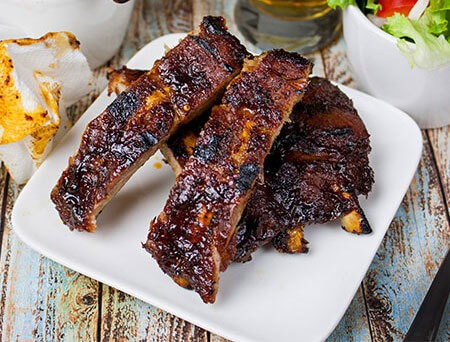
Ribs are an art form for many-a pit master. Aside from boiling, there is really no wrong way to cook them. Bake, roast, or braise your ribs low and slow, 250°F (121°C) to 300°F (149°C) for three to five hours, then hit them with some direct heat to sear and caramelize the sauce, but beware of burning that sugar.
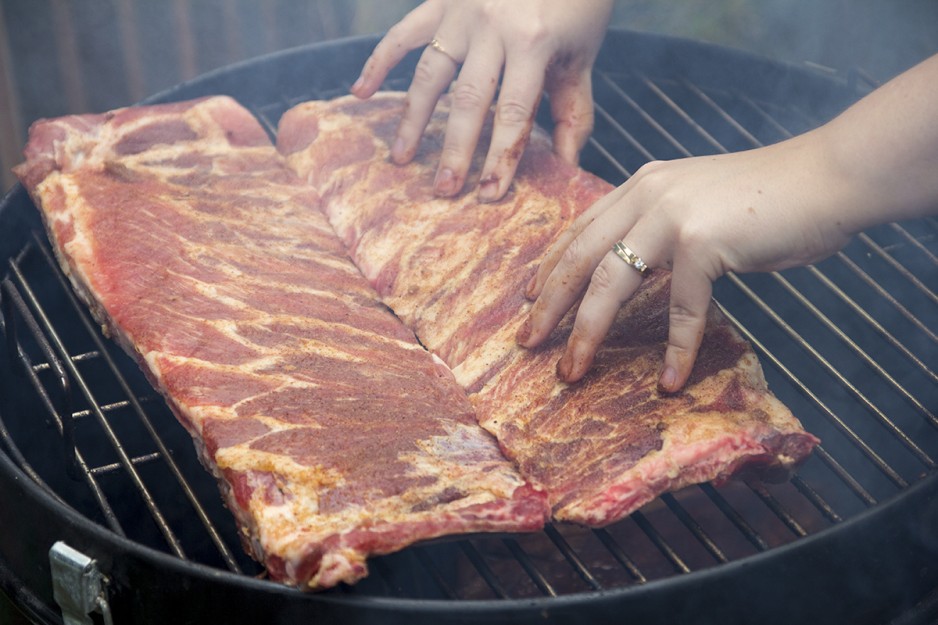
Smoking ribs can be easy too. Rub them well, smoke them for 3 hours over indirect heat at about 225°F (107°C). Wrap them in foil, add some cider or other liquid, and continue to cook for another 2 hours. Finally unwrap them and cook one more hour with or without a healthy helping of sauce.

People Also Asked:
Which is Better, Spareribs or Back Ribs?
The quick answer is that it all comes down to your personal preference. Spareribs are thicker and meatier coming from the belly section, but they have more cartilage and require more prep. Back ribs come from the back section and have a lot less meat, though they are leaner, but oh so tasty and tender.
Can you Substitute Spareribs for Back Ribs in a Recipe?
Yes, you can substitute spareribs for baby back ribs, but there will be differences in taste and texture. Spareribs are larger, meatier, and fattier, while baby back ribs are smaller, leaner, and more tender. Adjust cooking times and methods accordingly. A failsafe way to ensure desired results is to use a BBQ Meat Thermometer.
What are the Best Types of Ribs?
That depends on you. Do you prefer what is essentially pork belly on a stick or do you like the tender snap of the meat between the bones? The best type of rib is the ones you love to eat and can’t get enough of. They are the ones that you enjoy cooking and get the best results from. You are more likely to find Spareribs in the supermarket, and that is likely what you have been eating and cooking at home. You are likely to find baby back ribs in a restaurant thanks to the clever marketing of Chili’s back in the day.
Which Type of Ribs Have More Meat?
Spareribs typically have more meat compared to back ribs due to their larger size and higher fat content. However, the meatiness can vary depending on factors such as the specific cut and quality of the ribs.
With loads of delicious rib recipes on our BBQ blog, you will be cooking or smoking up the best ribs you’ve ever made. Try both, and see, Back Ribs vs. Spareribs, what are the key differences, which kind is the best, and how do you choose the right ones for you. If the recipes in this article don’t tickle your ribs, share your favourite rib recipes on our social pages like Facebook and Instagram using the hashtags #NapoleonGrills and #NapoleonEats. Don’t forget to include photos!
Happy Grilling!