
Brining Vs. Injecting - Which Is Better
In the aftermath of Thanksgiving, let's take a moment to reflect on our approach to poultry preparation. As we contemplate the tender centerpiece of our feast, it begs the question: did you opt for the time-honored tradition of brining, the innovative technique of injecting, or perhaps a combination of both to elevate your bird to perfection? Join us as we embark on an enlightening exploration of the brining vs injecting meat debate. Together, we'll unravel the nuances of each method, weighing their respective benefits and drawbacks, all with the aim of empowering you to make informed decisions for culinary excellence. Whether you're a seasoned chef or an aspiring home cook, this discussion promises to enrich your kitchen repertoire and enhance the enjoyment of your dining experiences.
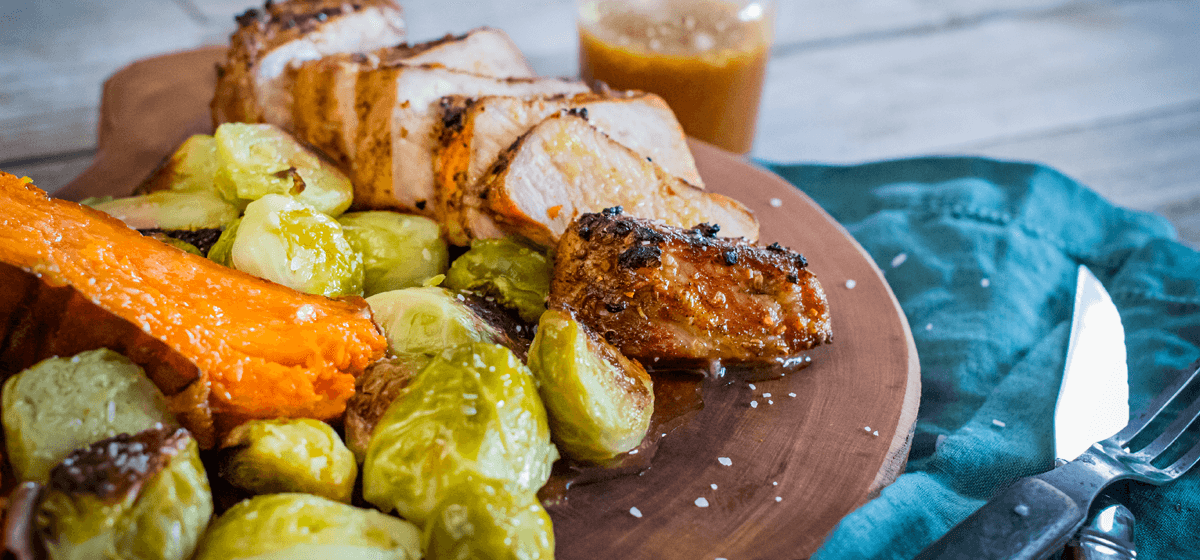
Try this delicious Brined Pork Chop Recipe from the featured image.
Why Do We Brine or Inject?
Brining and injecting both have the desired effect of adding moisture and flavour to whatever you are cooking. Turkey and chicken benefit greatly from this practice, but pork, beef, lamb and even fish can benefit from one of these two treatments.
Until recently people suffered through meals of dried and desiccated chicken, turkey, briskets, and pork roasts. It was the polite thing to do, that is until brining became mainstream in North America. It is nearly impossible to get both the breast and thigh/leg portion of a bird to be cooked to the desired doneness at the same time unless you cook them separately. This is all due to the shape of the chicken or turkey, and the proportions of white to dark meat which are done at 165°F and 180°F respectively!
What is Brining?
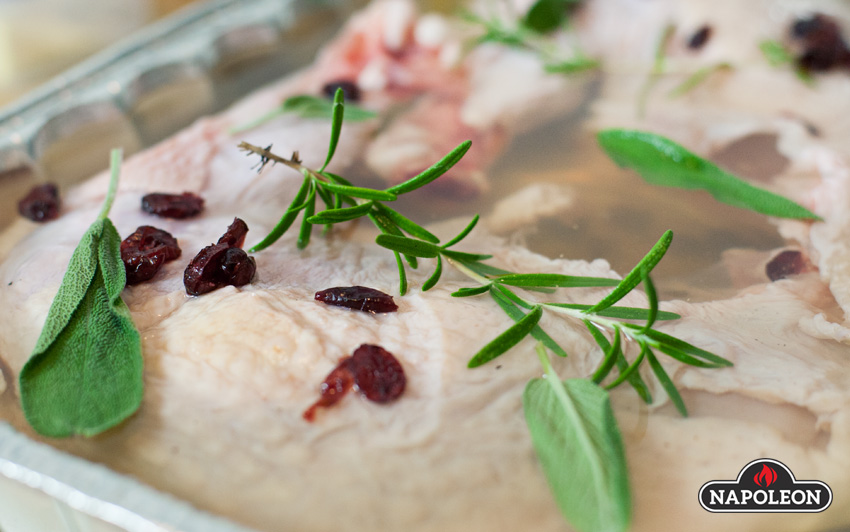
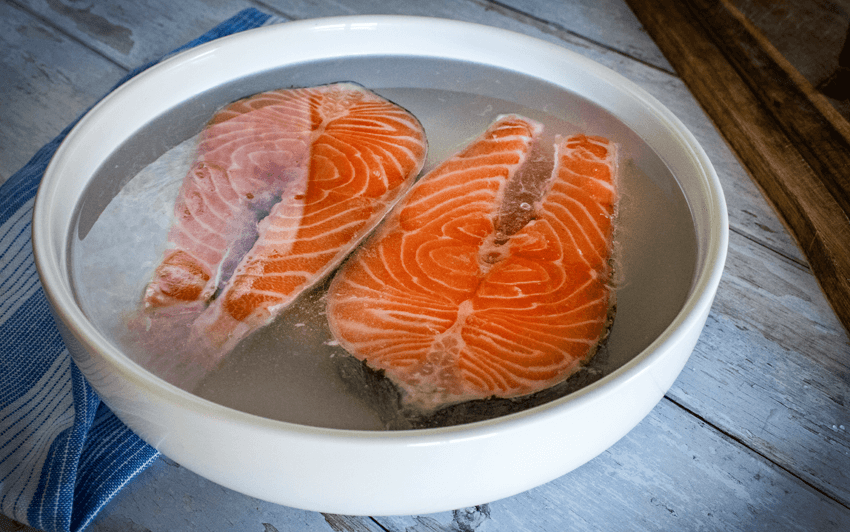
Brining is a great way to hydrate meat. It’s especially effective on poultry, and pork, and when used sparingly on fish. Basically you submerge meat in a salty solution for up to 24 hours and sometimes more. There are pros and cons to this technique. Brining visibly and physically plumps the meat in a process where dissolved salt will cause the muscle fibres to swell and absorb water, which then stays there during the barbecuing process.
First and foremost when making and using brine, you have to have a place to put both the brine and the meat to keep it at a safe, cold temperature for the duration. A few pork chops or fish fillets are easily brined, but it can be hard to find a container big enough to fit a whole turkey, especially when it gets up to over 15 lbs. Then finding a place to keep the brining bird so that it won’t freeze, or get too warm. When space is at a premium during the holidays, this can be a challenge.
While you do receive more uniform seasoning results than you potentially would with injecting, there is the risk that the meat you are cooking won’t have crispy skin or a crust after brining. This can be remedied by thoroughly rinsing and drying the meat off before you cook, then applying a thin layer of fat to the outside, with some strategic seasonings.
| Pros | Cons |
|---|---|
|
|
What is Injecting?
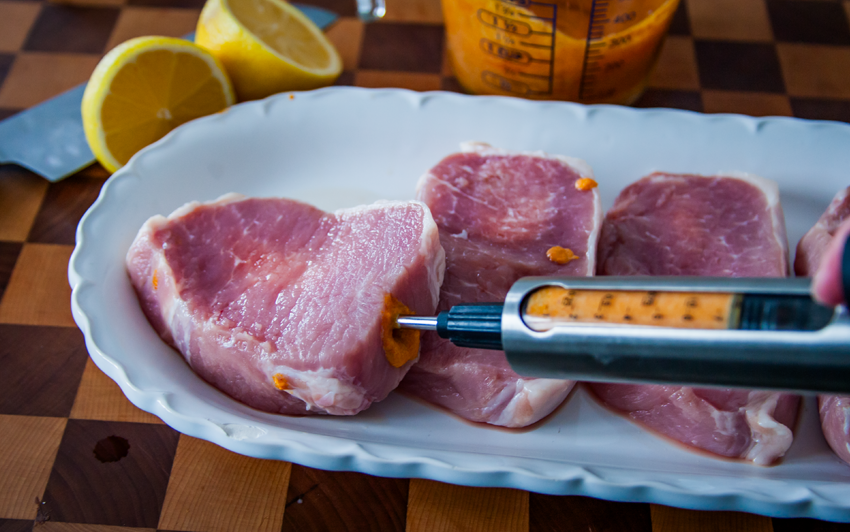
Injecting is another great way to ensure much-needed hydration in all meats and can be done right before the big cook. However, for better results, allowing time for the injection to equilibrate for up to 24 hours is recommended. With injecting you can see the results immediately. Injecting can be done with a flavourful liquid or even a brine mixture. The one caveat is that the injection needs to be thin and liquidy, with little to no chunks (Napoleon’s Stainless Steel Marinade Injector does have a large bore needle that can handle very small chunks), Using a mixture of fat (like melted butter), liquid (like wine or broth), and soluble seasonings (like garlic powder), will take an otherwise boring piece of meat to the next level.
It’s been a long-held opinion that this process works better for thick, large, and solid meats like beef and pork. Brining is a slower process. In the amount of time required to get the deep inside meat like a brisket or pork shoulder, the meat could, in fact, cure, becoming pastrami or corned beef.

Smoked Beef Brisket
Try using your injector on this beautifully perfect smoked brisket recipe.
| Pros | Cons |
|---|---|
|
|
One of the big cons of injecting is spray back. When you over-fill a section of meat the injection will liquid spray back at you. Some combat this by wrapping the subject in plastic wrap prior to injection. A great way to prevent sprayback is not going through the skin when injecting, instead, inserting the needle after you have lifted the skin a little. Also, moving the needle around while depressing the plunger slowly will help diffuse the liquid being injected.
Get the Best of Both
There are also those who like to do both, brining and injecting. This two-fold process can produce stunning results or be a salty disaster. For best results, use a trusted brine recipe on untreated/unprocessed meat (see below) and remove the salt from the injection recipe, opting to spice things up with complementary flavours of wine, beer, and unsalted butter, instead of stock. Finish things off with your favourite smoking woods, like apple, pecan, or maple.
Other Considerations
I feel that it would be prudent to speak up about turkey again. There has been a rise in “processed” turkeys. These ones have already been injected with solutions that include a lot of salt and will not require getting either an injection or brine treatment. This isn’t a bad thing, however, it does give you less control over the cook than you would have if you purchased an unprocessed turkey, or any other meat for that matter. To avoid this, double-check the package. If it has more than just your choice meat, in this case, turkey, as the only ingredient, that means that this product has been processed. Pretreated meat can still yield delicious results.

People Also Asked:
Is it Better to Inject or Brine a Turkey?
Whether it's better to inject or brine a turkey depends on personal preference and desired outcomes. Brining typically results in a more uniformly seasoned and moist bird, while injecting allows for a more targeted flavour infusion.
Should You Brine or Inject a Pork Shoulder?
The choice between injecting or brining a pork shoulder depends on factors such as the desired flavour profile and cooking method. Brining can enhance moisture retention and impart subtle flavours throughout the meat while injecting allows for deeper flavour penetration and customization.
Should You Brine or Inject When You Plan to Smoke Chicken?
The choice between injecting or brining a pork shoulder depends on factors such as the desired flavour profile and cooking method. Brining can enhance moisture retention and impart subtle flavours throughout the meat while injecting allows for deeper flavour penetration and customization.
Does Injecting Make Meat More Tender?
Injecting meat can contribute to tenderness, especially when using solutions containing enzymes or acids that help break down connective tissues. However, the overall tenderness also depends on factors such as the cut of meat, cooking method, and proper handling.
Add That Flavour
While there are obvious instances where brining or injecting would yield better results, though, similar to when you have children, I can’t say that which is my favourite. What about you? Are you a Brine Barron, or an Injection General? Which process do you swear by and why? And most importantly, how did your last meal using either or both of these processes turn out? Where do you weigh in on the great debate, Brining vs. Injecting and which is better? Share your opinions on Brining Vs. Injecting on our social pages like Facebook and Instagram using the hashtags #NapoleonGrills and #NapoleonEats.
Show us what you are grilling
Join the #NapoleonEats Community on Social



#NapoleonEats
@NapoleonProducts