
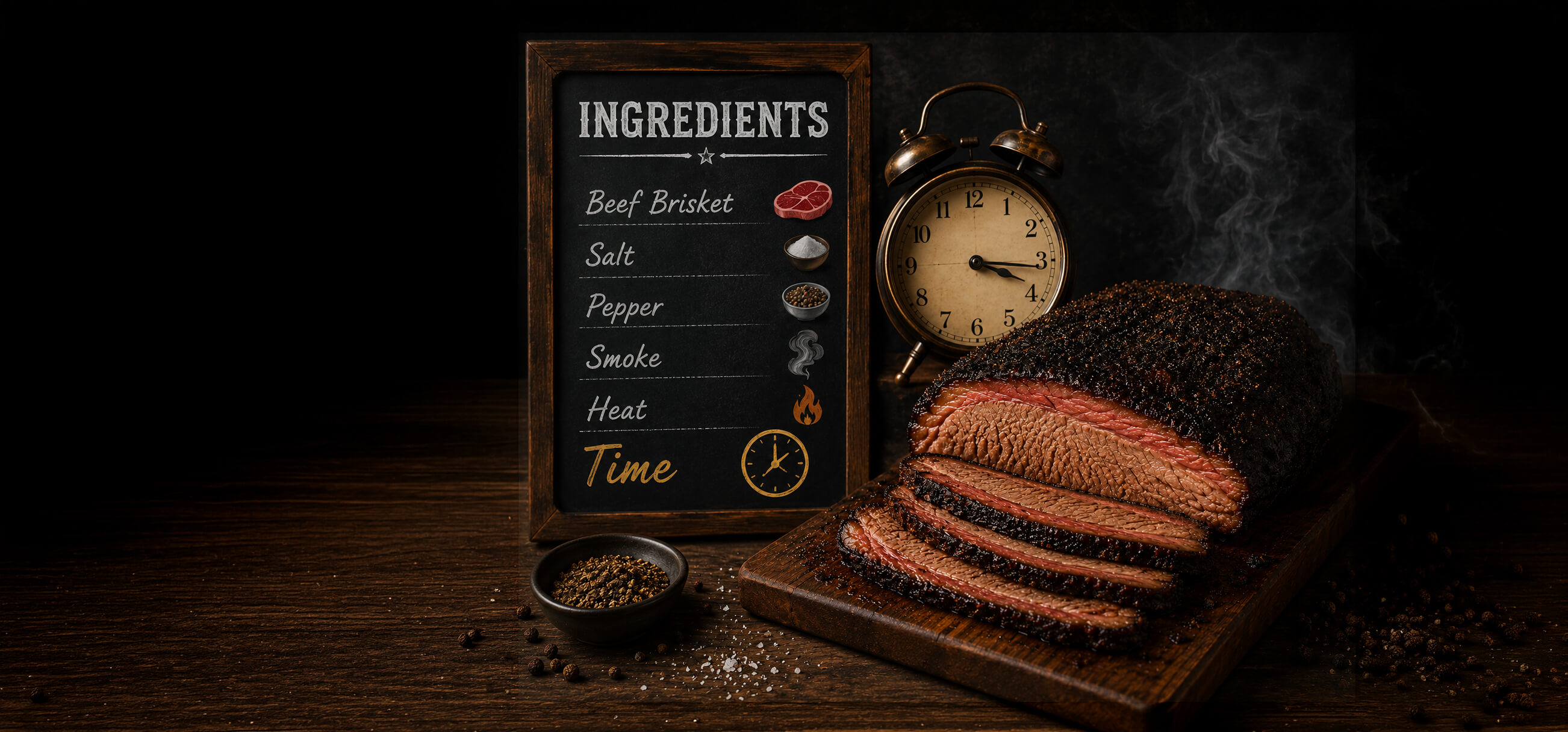
The Science of BBQ - Time is an Ingredient and Why Great Food Can't Be Rushed
Great barbecue has never been about rushing. Whether it’s an all-night brisket in Texas, pork shoulder smoking through the Carolinas, Memphis-style ribs, or Kansas City burnt ends, America’s best BBQ traditions all have one thing in common: time.
Time is one of the most important ingredients in cooking, even though most people rarely think of it that way. Usually, it’s just the wait between lighting the grill and sitting down to eat. But behind every great meal, time is quietly transforming food from the very beginning. From aging beef and fermenting sauces to dry brining chicken, resting steaks, and smoking meat low and slow for hours, time shapes flavor, tenderness, texture, and aroma in ways no shortcut can replicate.
Modern cooking has become faster and more convenient than ever, but pitmasters, artisans, bakers, brewers, and chefs continue proving that patience creates better food. There’s a reason a brisket smoked for 15 hours tastes richer, deeper, and more satisfying than something rushed in a slow cooker. The science of barbecue shows that when time, temperature, smoke, and technique work together, the results are worth every minute.
Why Time Matters in Cooking
Cooking is a process of transformation. Heat, salt, acids, enzymes, smoke, microbes, and even oxygen work through time to physically, chemically, and biologically alter food into something safer, more flavourful, and easier to digest. Time controls texture. Time develops flavour. Time improves tenderness. In many cases, time is what separates average food from unforgettable cuisine.
The Biological Connection Between Time and Food
Proteins Change Over Time
Proteins naturally denature when exposed to heat, acids, salt, enzymes, or mechanical action. This process changes both texture and structure. It’s why raw meat firms up during cooking, egg whites turn solid and opaque, and marinades tenderize the surface of foods.
Cooking also takes time to safely destroy harmful bacteria and pathogens. Meat must remain at proper internal temperatures long enough to become safe for consumption. But timing matters. Cook food too little, and it may remain unsafe. Cook it too long and nutrients, texture, and moisture begin to degrade.
Gelatinization Creates Tenderness
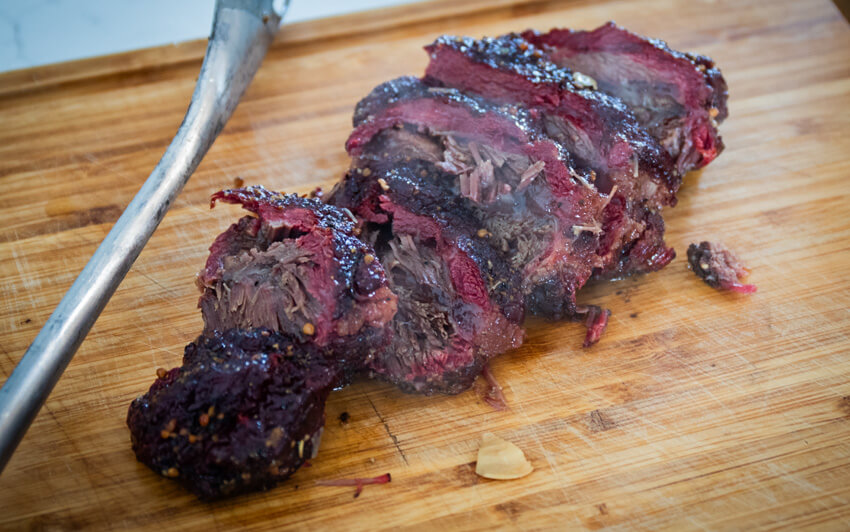
Tough cuts of meat are loaded with collagen and connective tissue. Given enough time and gentle heat, collagen slowly breaks down into gelatin, which absorbs moisture, creating the succulent texture associated with smoked brisket, pulled pork, beef cheeks, and slow-roasted meats. This transformation cannot be rushed. Smoking, sous vide cooking, and slow roasting work because they allow time for collagen to dissolve while generating succulence.
The Chemical Reactions of Cooking
Cooking permanently changes food at a molecular level. Heat a piece of metal and cool it again, and it remains metal. Cook a steak and cool it afterward, and it remains a cooked steak, forever altered by chemistry.
Chemical reactions in cooking depend heavily on both time and temperature. Browning, caramelization, bark development, fat rendering, and collagen breakdown all occur through controlled chemical reactions.
Most cooking reactions follow Arrhenius’ Law, which states that chemical reactions accelerate dramatically as temperature increases. Lower cooking temperatures slow reactions significantly, which is why smoking and sous vide can take many hours or even days to fully transform tough meats into tender barbecue. However, those results are unparalleled.
Smoking: Patience Rewarded. Why Great BBQ Takes Time
Smoking is one of the clearest examples of time acting as an ingredient. Great barbecue demands patience because multiple transformations happen simultaneously during a long cook.
Collagen slowly gelatinizes into tenderness. Fat gradually renders into richness. Smoke particles bond with the meat’s surface, and sugars caramelize into bark.
Even the smoke ring itself is created through time-dependent chemical reactions. Nitric oxide and carbon monoxide from burning wood react with iron-containing myoglobin in meat, creating the pink ring prized in barbecue. Meanwhile, compounds in wood smoke break down and interact with the surface of the food, creating layers of sweetness, bitterness, spice, and complexity impossible to achieve quickly. The result is barbecue that tastes deeply developed and unmistakably authentic.
Marinating and Brining: Another Way to Use Time to Create Flavour
How Marinades Tenderize Food
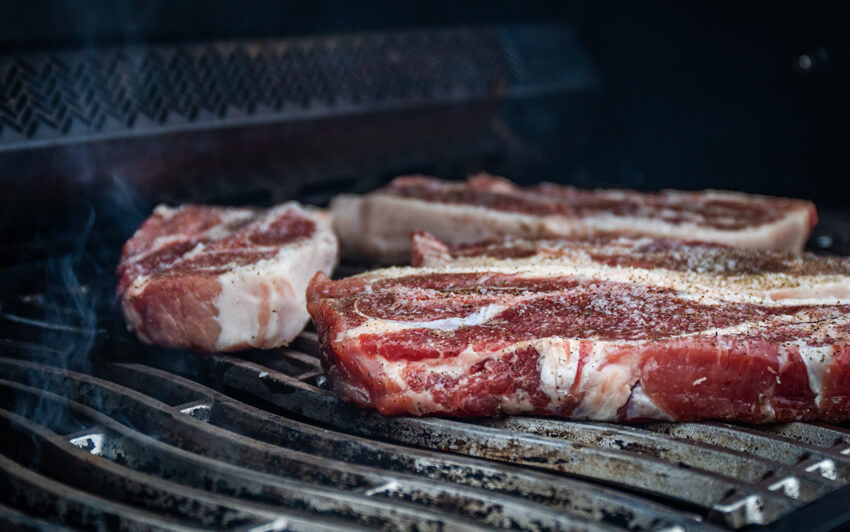
Marinades use acids and enzymes to slowly break down proteins on the surface of food. This process can be faster with more delicate foods; however, eight hours is the standard in most recipes. Thanks to time, marinating creates a more tender texture while introducing flavour into the exterior of meats and vegetables. Marinating can be a double-edged blade. Certain ingredients can be too effective, causing accelerated chemical reactions. Marinate too long and you can find yourself experiencing negative textures on or in the food you are trying to tenderize.

Why Brines Keep Meat Juicy
Brining works differently. Salt changes the structure of proteins, helping them retain more moisture during cooking. When foods are submerged in a brine, the salt solution slowly equalizes between the food and the brine, dragging salt and water through the meat, which becomes seasoned throughout and can lose significantly less moisture during cooking. This is why properly brined poultry and pork remain noticeably juicier after grilling or smoking.

Fermentation: How Microbes and Time Create Amazing Food
Fermentation is one of humanity’s oldest examples of time transforming food. Bread, beer, wine, cheese, yogurt, hot sauce, kimchi, and cured meats all rely on beneficial microbes working through time without oxygen. Yeasts and bacteria consume sugars and produce acids, alcohols, and gases that preserve food while dramatically changing flavour and texture. Acid preserves food by killing microbes. Gas makes bread rise. Alcohol develops complexity in beverages. Time allows these reactions to deepen and mature. Without patience, fermentation simply does not happen.
Aging: A Taste as Old as Time
Why Aging Improves Meat
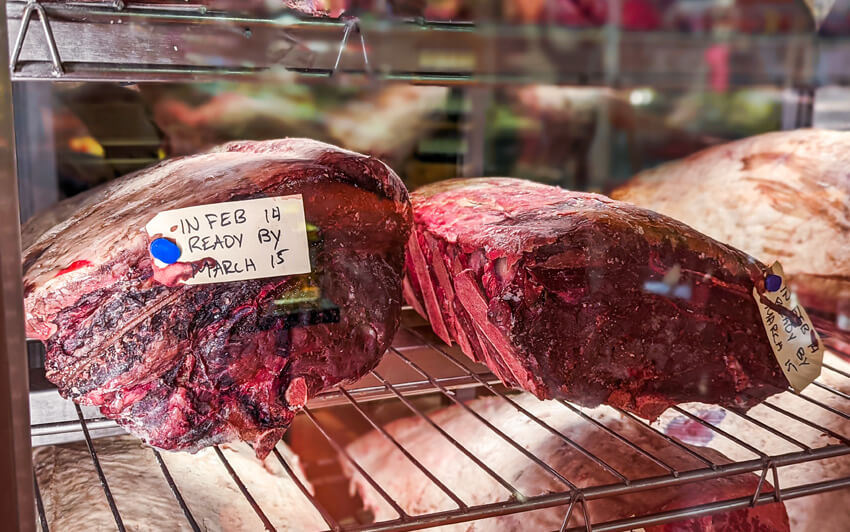
Some of the finest foods in the world depend on aging. Wine, whiskey, charcuterie, cheese, vinegar, and dry-aged beef all improve because carefully controlled time changes their chemistry and flavour.
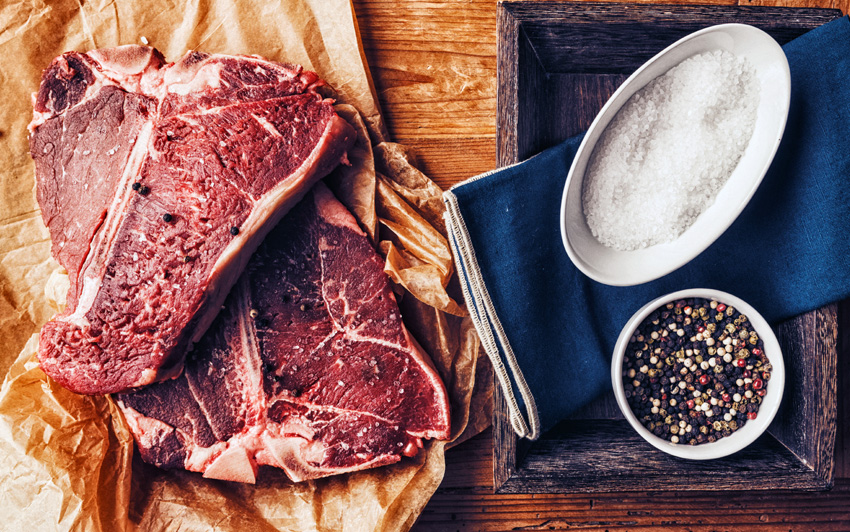
Beef is particularly well suited to aging because natural enzymes continue breaking down proteins after processing. This improves tenderness while creating savory, nutty, umami-rich flavours. Most beef is wet-aged for a short period in vacuum-sealed packaging. Dry aging takes things further by controlling airflow, humidity, and temperature over weeks or months. Moisture evaporates, flavour concentrates, and enzymatic activity intensifies the meat’s complexity. The result is a steak with deeper flavour and unmatched texture.
Why Food Tastes Better the Next Day
Some foods improve after resting overnight because flavour compounds continue dispersing and interacting over time. Herbs and spices can be either water-soluble or fat-soluble and when in a moist environment will continue blooming in soups, curries, stews, chili, sauces, and braises long after cooking has finished. As flavours mingle and stabilize, the overall taste becomes deeper, rounder, and more balanced. That leftover chili or those smoked beans often taste better the next day for a very good reason.
The Balance of Time and Cooking
Cooking can improve digestibility and nutrient absorption by breaking down plant cell walls and softening fibres. However, excessive cooking times or temperatures can also destroy vitamins and minerals.
Balance matters when it comes to the amount of time food is cooked. Too little time may leave food tough, with flavours underdeveloped, or leave it unsafe for consumption. Too much time can result in dry textures, nutrient loss, or even harmful compounds from burning fats and oils. Great cooking often comes down to understanding exactly how much time an ingredient truly needs.
People Also Asked:
How Does Time Affect Food?
Time affects food in many ways. The time it takes to raise and cultivate and the time and effort put into processing it into the foods we are eating. Ageing certain foods like beef and cheese will improve their flavour, while spending hours slowly smoking meats loosens collagen and connective tissues into a delicious and succulent meal. Time is everything when it comes to cooking. Take it back and use time to improve your cooking proficiency and the flavour of the foods you eat.
What is the 4-Hour Rule for Food?
The four-hour rule is a guideline to protect people from foodborne illness. It states that perishable foods that remain in the temperature zone between 40°F and 140°F (4°C and 60°C) should be discarded after approximately four hours because this is the ideal temperature range for bacterial growth, rendering food unsafe.
What is the 20-Minute Rule for Eating?
When you eat, it takes about 20 minutes for the signals from your stomach to reach your brain and state that you are full. Eating too quickly means those signals don’t reach you in time and can lead to overeating. Taking your time and savouring your meal can help prevent overeating.
What is the 3-3-3 Rule for Food?
The 3-3-3 rule is a healthy framework when it comes to food. It comes in a few different formats that can be utilized to maintain healthy eating habits.
- 3 Balanced Meals—eat three balanced meals per day that are spaced a few hours apart.
- 3 Food Groups—build your meals around the three main nutrients: 3 to 5 oz (85 to 142 g) lean protein, healthy fats, and fibre in the form of a generous serving of leafy greens, whole grains, and vegetables.
- 3 Litres—drink about 3 litres (101 oz) of water before 3 pm. This doesn’t necessarily mean only water. Coffee, tea, and freshly squeezed juices can be included, but be mindful of the additional sugars and fats.
Take Your Time, Make Amazing Food
Time deserves a place in every recipe right alongside salt, seasoning, smoke, and fire. It’s what turns tough cuts tender, develops deep barbecue flavor, improves texture through aging and fermentation, and transforms simple ingredients into unforgettable meals.
In barbecue culture especially, patience has always been part of the craft. Great smoked food cannot be hurried. The bark on a brisket, the pull of perfectly smoked pork, the richness of dry-aged beef, and the flavor of a sauce that sat overnight all exist because time was allowed to do its job. The next time you fire up the smoker or grill, remember that time is not the obstacle between you and great food, it’s one of the ingredients creating it.
How does time change things for you when it comes to cooking, BBQ, and food in general? Tell us about how you use time and your Napoleon. Share your recipes, stories, and photos with us on Facebook and Instagram. Use the hashtags #NapoleonEats and #NapoleonGrills for a chance to be featured.

Show us what you are grilling
Join the #NapoleonEats Community on Social



#NapoleonEats
@NapoleonProducts