
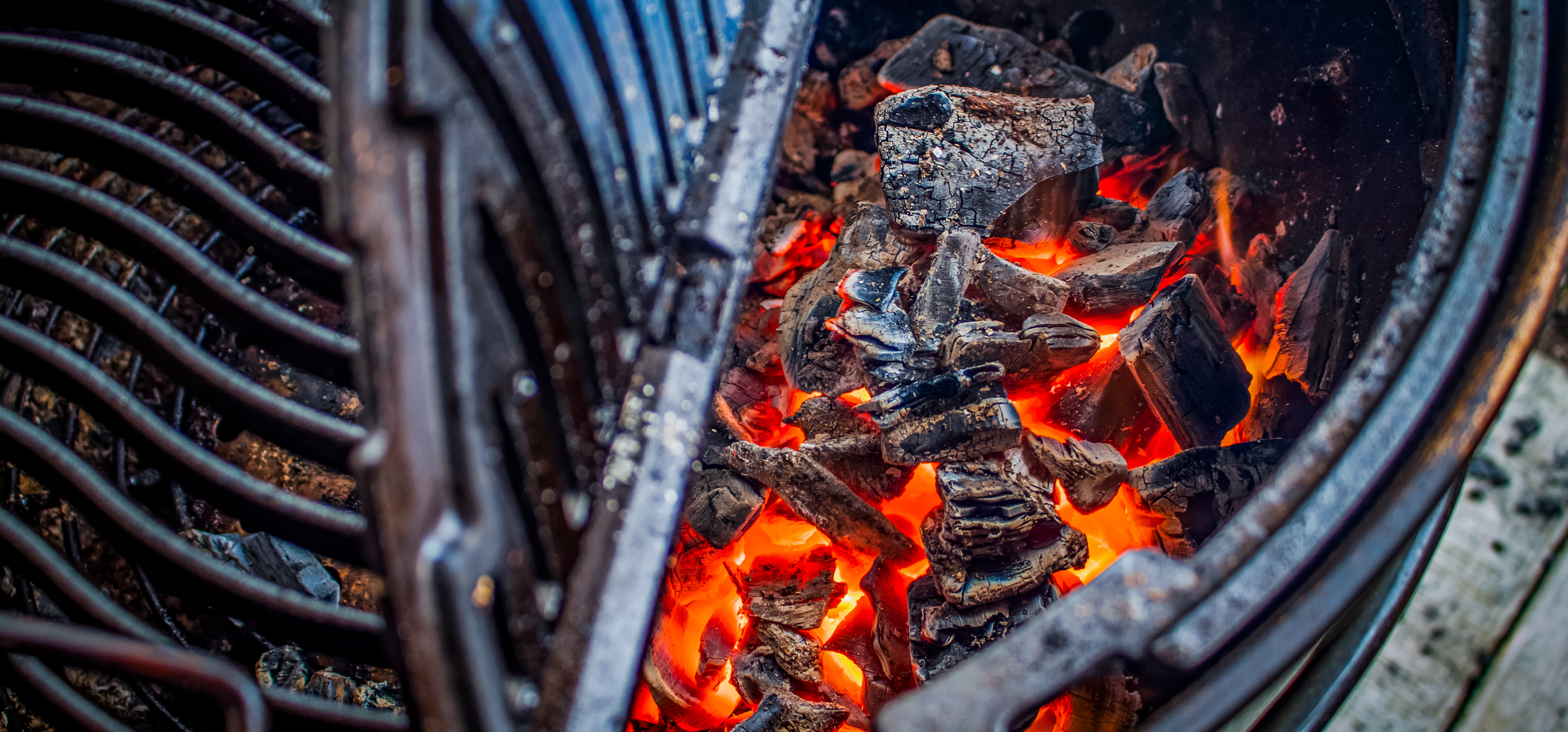
Exploring Charcoal: What is it and Where Does it Come From?
Charcoal is more than just a fuel—it’s the heart of traditional barbecuing. At first glance, it might seem simple, but its role in creating bold, smoky flavors is anything but. Whether you're a seasoned pit master or just firing up your first grill, understanding what charcoal really is and why it’s so special is key to leveling up your grilling game. In this article, we explore the origins of charcoal, how it's made, and why many grill enthusiasts prefer it over wood. From longer burn times to cleaner heat, the benefits are worth knowing.
What is Charcoal?
Charcoal is wood that has been heated to over 1000°F in a low-oxygen, sealed steel or clay kiln. The lack of oxygen is key here: it keeps the materials from actually catching fire. Instead, all the stuff that makes up wood, like moisture, tar, and gases such as methane, gets burned off or evaporates, leaving behind mostly pure carbon with a bit of ash. Once lit, that carbon burns hot and clean, giving you high heat with very little smoke. This is ideal for searing steaks or going low and slow with ribs.
It seems like a lot of work to make charcoal when you could just burn wood or light a gas BBQ. While that is true, charcoal provides more efficient heat when compared to wet or kiln-dried wood, much like the difference between using a candle versus LED lights to illuminate a space. Burning wood as your source of fuel for cooking also produces smoke and hydrocarbons, which can be delicious when used in moderation, but tend to overpower the food in many circumstances.
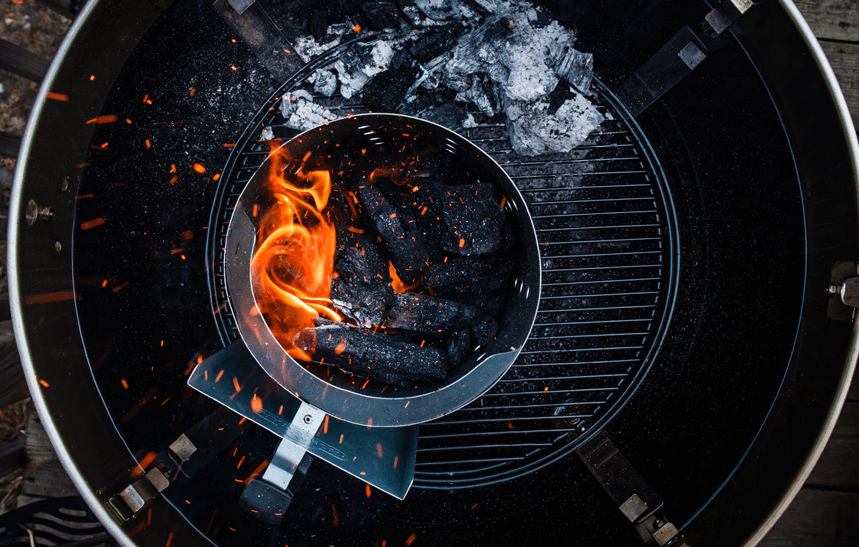
If Charcoal Does Not Smoke, Then Why Does Smoke Get Produced When Charcoal is Lit?
When initially lit, charcoal does smoke. Using any form of ignition assistance like newspaper or lighter cubes will produce smoke because they’re not pure carbon. Charcoal is also coated in residue that isn’t pure carbon either, that will need to burn off before the charcoal can light.
Burning Charcoal vs. Wood
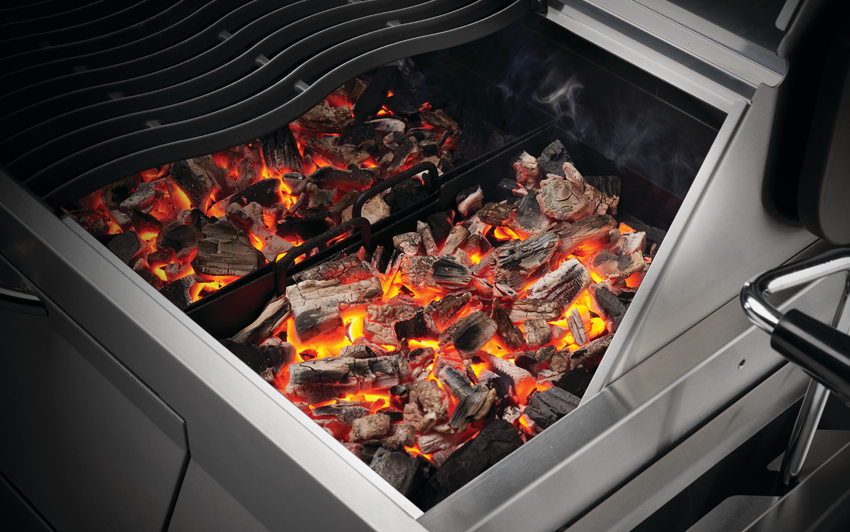
It seems like a lot of work to make charcoal when you could just burn wood or light a gas BBQ. Why go through the trouble to make charcoal? Well, if you’re a purist and love the unique texture and flavour that charcoal provides, then you know that you just can’t get that from wood that hasn’t been through the carbonization process. Wood is filled with water, among other things (yes, even seasoned wood) and isn’t nearly as efficient at burning as something that has no water in it. Think about it like this: it’s the difference between using a candle or LED lights to illuminate a room. Burning wood also produces smoke from the volatile hydrocarbons, and while it will produce a delicious flavour in your food (which is why we add it to the charcoal when smoking), wood can get overpowering when not used in the correct manner.
People Also Asked:
Where is Charcoal Naturally Found?
Charcoal isn’t exactly natural; however, that can be the case through natural disasters. It is a manmade product that is the world’s 804th most traded commodity. Most of the world’s charcoal comes from Indonesia, China, and Poland.
What is Charcoal Made Of?
Charcoal is made of wood, hard or soft, that has been burned in a low-oxygen environment for an extended period of time. This burning carbonizes the wood and boils or melts away all other materials until only pure carbon remains.
Is Charcoal Natural or Manmade?
Charcoal and coal are not the same. Coal is a sedimentary mineral that is formed over millions of years. It contains high amounts of carbon and hydrocarbons, allowing it to burn. Charcoal is manufactured in a process called pyrolysis that burns away impurities and leaves only the carbon of wood, which is then burned as a fuel source.
Is Charcoal Better than Gas Barbecuing?
While this is a question that is all about your personal preferences, there are many pros and cons to using charcoal over gas when it comes to barbecuing. Charcoal has the capacity to become much hotter than regular gas burners, although our Infrared SIZZLE ZONE side burner can achieve pretty similar temperatures. Charcoal also has the capability to burn more slowly and longer for amazing smoking experiences, too. Charcoal provides a smokier flavour to foods without the addition of wood chips or chunks during the barbecuing process. The few downsides to charcoal are the time it takes to light and warm up, shutting things down after cooking, and cleanup afterwards.
Getting Fired Up?
Want to dig deeper into the grilling lifestyle? Follow us on Facebook and Instagram for tips, recipes, and community stories. For even more smoky goodness, check out our blog where we share facts, how-tos, and everything you need to master the flame.
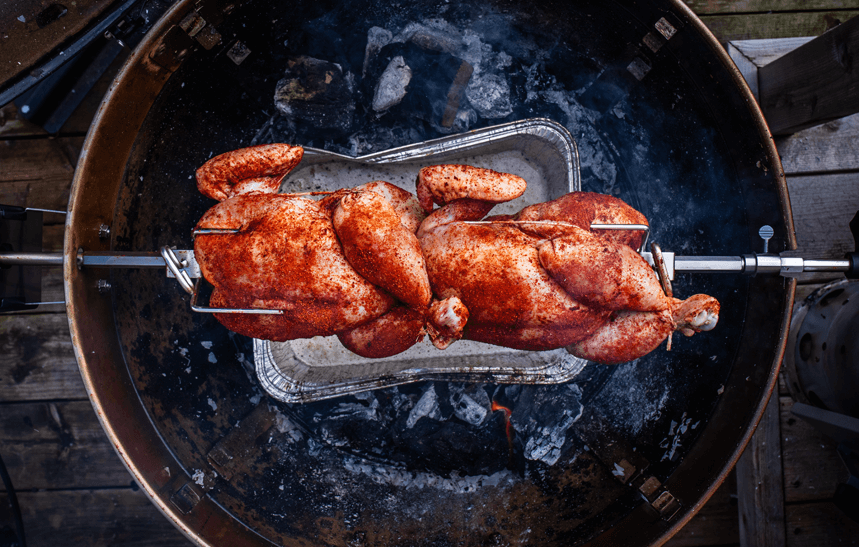
Show us what you are grilling
Join the #NapoleonEats Community on Social



#NapoleonEats
@NapoleonProducts