
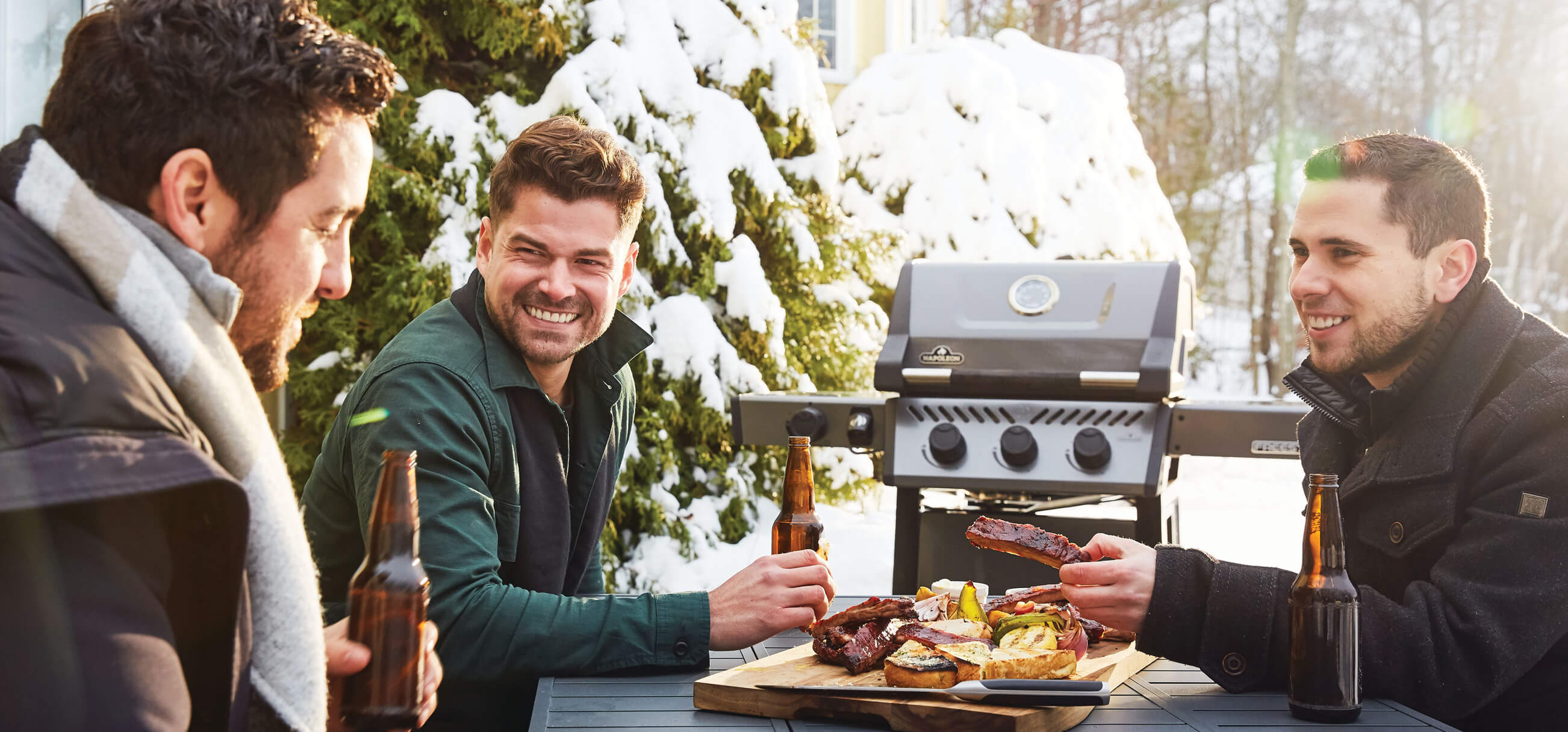
Why BBQ in Winter? 6 Reasons to Keep Grilling All Year
For many of us, grilling season ends the moment the temperature drops. The patio furniture gets covered, the snow shovel comes out, and the grill gets pushed into the corner until spring. But why should the weather decide when you can fire up the BBQ? Fire didn’t stop being useful when the temperature fell, and neither should your grill.
This isn’t just another cold-weather grilling guide. It’s a look at why grilling deserves a place in your cooking routine all year long. Winter grilling gives you the chance to make the most of hearty ingredients, low-and-slow favorites, holiday meals, game-day gatherings, and even those nights when you simply want a taste of summer.
From smoky roasts and grilled root vegetables to burgers in the snow, there’s no shortage of reasons to keep your grill fired up through the colder months. All you need is a little extra planning, the right gear, and a willingness to step outside.
If you need help with winter grilling, explore our tips and tricks for Gas and Charcoal in the winter.
1. Fire Isn't Seasonal
Long before grilling became a weekend pastime, fire was essential. It provided heat and light, eventually becoming one of humanity’s most important tools for preparing food. When the weather turned cold, fire didn’t become less useful; it became even more important.
As homes became warmer and cooking moved indoors, cooking over an open flame gradually shifted from necessity to luxury. When you have a perfectly good kitchen just a few steps away, standing outside in the cold to cook dinner can seem unnecessary. However, there is a certain satisfaction in cooking outdoors when the weather isn’t balmy. There’s the ritual of lighting the grill, the smell of food hitting the cooking grids, and the unmistakable smoky, charred flavour that you simply can’t replicate when you cook indoors.
Winter grilling is part cooking and part experience. And honestly, there’s something pretty satisfying about doing it when everyone else has put their grill away.
2. Some of the Best Reasons to BBQ Happen in Winter
The calendar doesn’t stop when summer ends. Sports seasons continue, if not ramp up, the holidays arrive, friends are always gathering, and there is always a reason to feed a crowd. In fact, some of the biggest food occasions of the year happen during the colder months. Thanksgiving, Christmas, New Year’s Eve, football and hockey games, winter gatherings, and holiday parties all provide excellent opportunities to put your grill to work.
Your Napoleon Grill can do considerably more than cook burgers and steaks. Your Napoleon can help prepare a roast, cook side dishes, bake desserts, and keep food warm while you finish everything else. During a large holiday meal, moving some of the cooking outdoors can take pressure off your kitchen, free up oven space, and even help reduce the mountain of dishes left behind.
Napoleon grills are designed with year-round cooking in mind, too. We understand what it means to live somewhere that can give you scorching summer days and seriously cold winter ones. Dinner still needs to be on the table, no matter the weather.

3. Winter Brings Some Seriously Good BBQ Ingredients
Winter food has a reputation for being hearty, comforting, and substantial. Conveniently, many of those ingredients happen to be fantastic on the grill.
Root Vegetables
Potatoes, carrots, parsnips, beets, squash, and other root vegetables are made for longer shelf lives and cooking. Their sturdy texture allows them to stand up to higher heat and extended cooking times while developing deliciously caramelized edges and smoky grilled flavour. Root vegetables are also packed with nutrients that can turn into everything from a simple grilled side dish to the foundation of a hearty winter meal.
Aromatics & Warming Spices
Onion, garlic, and ginger form the backbone of countless cold-weather dishes. Add spices such as cayenne, paprika, and black pepper, or lean into warming flavours like cinnamon, clove, and cardamom, and you have the beginnings of some seriously comforting food. All of these spices can lean savoury to sweet; it all depends on what you are cooking up.
The grill adds another layer to those flavours. Try charring onions and garlic before adding them to a soup, sauce, curry, or stew. Use grilled ingredients to bring a little smoky depth to any dish that would otherwise be cooked entirely indoors. Consider grilling your meats before adding them to stews or curries.
Broths & Stocks
Homemade broths and stocks are winter cooking workhorses. They can become the base for soups, stews, chilis, and curries, but they can also find their way onto the grill. Imagine a rich broth used to baste rotisserie meat, grilled or smoked meat added to a hearty soup, or smoky ingredients simmered together into a winter stew. Your grill doesn’t have to produce the entire meal to make a meaningful contribution to it, although it can.
Bigger Cuts & Longer Cooks
Cold weather practically begs for food that has been cooking slowly for hours. Smoking and low-and-slow cooking are perfect for larger cuts of meat, giving them time to become tender and develop deep, smoky flavour. Brisket, pork shoulder, ribs, and roasts can all turn a winter afternoon into an excuse to gather around the table for a substantial meal. Just remember that your grill will need a little extra time to warm up, and a little extra fuel to keep things going. And, unlike a summer barbecue where you might want to get dinner on the table quickly, winter has a way of making a long cook feel like part of the occasion.

Roasted Carrot Soup
An excellent and warming meal, this Roasted Carrot Soup is perfect for those chilly days!
4. Winter Changes the Way We Experience Food
There’s another interesting reason winter food feels different: the environment changes how we experience flavour. Cold temperatures can affect our perception of flavour and aroma, particularly when we’re actually eating outdoors—think outdoor festival or tailgate event. Temperature can influence how strongly we perceive certain tastes, while cold air can also affect the way volatile aromatic compounds reach our noses. Since smell contributes significantly to what we perceive as flavour, eating outdoors in the cold can change the experience.
There’s more to winter eating than what happens on your tongue. Shorter days, less sunlight, and colder temperatures can influence the foods we crave. We naturally tend to associate winter with richer, sweeter, and more carbohydrate-heavy foods, while years of family traditions and seasonal celebrations reinforce those associations. Think warm bread, roasted meats, creamy sauces, baked desserts, stews, and all those dishes that make you feel instantly at home, especially during the holidays. And that brings us right back to the BBQ.

Irish Beef Stew
Cooked during a blizzard, this stew is perfect after a day of winter sports or when you’re hunkering down.
5. BBQ Can Bring Summer Back to Winter
Hearty winter meals are fantastic. Personally, stew season has a pretty strong argument going for it. But sometimes you don't want another bowl of something slow-cooked and comforting. Sometimes you want a burger. Or a steak with a crisp salad. Or grilled chicken, corn, and something that reminds you of sitting on the patio in July.
Using your grill during the winter lets you bring a little bit of that summertime feeling back when the days are short, and the temperatures are low. There’s something almost nostalgic about biting into a perfectly grilled burger when there’s snow on the ground. You don’t have to make every winter meal a heavy one. Your grill is just as happy cooking the foods you normally associate with summer as it is handling a winter roast.
6. There’s Something Primitive About Cooking Over Fire
Okay, perhaps "primitive" makes it sound like we should be hunting our own dinner with a sharpened stick. Primal may be a better word. There is a feeling; it is deeply satisfying, calming, a sort of serenity while cooking with fire.
For most of human history, preparing food over an open flame was simply part of life. Today, we have induction cooktops, convection ovens, air fryers, and more kitchen gadgets than anyone could reasonably need. Yet there’s still something compelling about stepping outside, lighting a fire, and turning raw ingredients into the greater whole of a delicious meal.
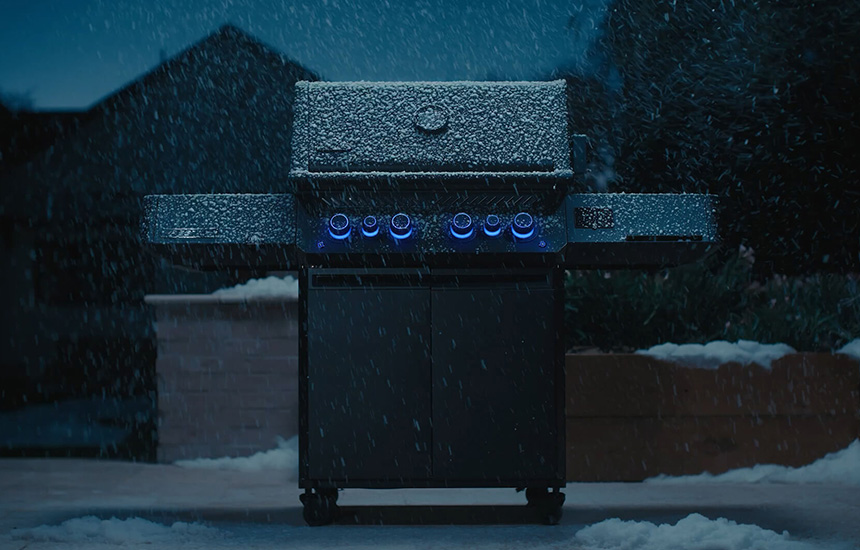
Winter makes that experience even more noticeable. Standing beside a warm BBQ while snow quietly falls around you can be surprisingly peaceful. For a few minutes, you're away from the screens, the noise, and the warmth of the house. You’re just standing beside the fire, watching your food cook as snow falls silently around you.

Winter BBQ Excuses
There are legitimate challenges to winter grilling. It gets dark earlier. It’s cold. There might be snow. Your grill may take longer to preheat and use more fuel to maintain temperature. None of those things make winter grilling impossible; they just mean you need to account for the conditions.
"It Gets Dark Too Early"
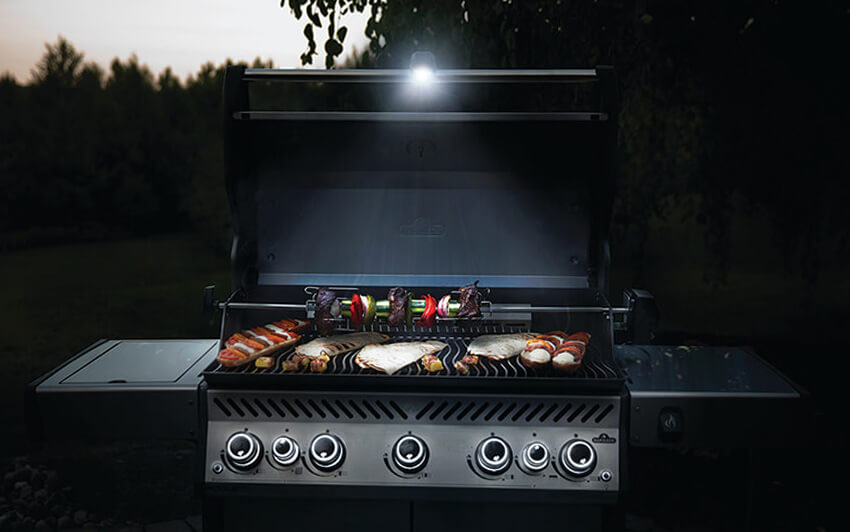
Depending on where you live, it can feel like the sun disappears before dinner has even had a chance to happen. That’s what grill lights are for. Good lighting makes winter grilling easier and safer, particularly when you're checking food, adjusting burners or navigating a snowy backyard.
"It's Too Cold"
This one is fair. Winter is cold. As long as you dress appropriately, clear a safe path to your grill, and give yourself a little extra time, everything will turn out just fine. If you've never stood beside a warm grill while snow falls around you, give it a chance. There’s something oddly peaceful about it. Just don't forget your hat.
"My Grill Won't Get Hot Enough"
Cold temperatures can affect grilling. Your barbecue may take longer to preheat and may consume more fuel as it works to maintain cooking temperatures. The solution isn't to give up on winter grilling. Plan for it. Allow additional preheating time, monitor your fuel supply, and avoid opening the lid unnecessarily so you don't lose the heat you've both worked so hard to build.
People Also Asked:
Should you Barbecue in the Winter?
Of course you should! There’s only one thing stopping you from using your barbecue in the winter. You. Winter grilling can be incredibly rewarding. While it does require a little extra prep and wearing a few more layers, you can produce your favourites and comforting winter classics throughout the winter, not just during warmer months.

Can I Grill While it's Snowing?
Imagine standing next to your warm grill in the silence as snow gently falls around you. Winter grilling, even when snow is falling, is completely doable and safe. As long as you are clothed for the weather, you have ensured that you have enough fuel, and allowed time for preheating, winter grilling while it is snowing is perfectly fine. Ensure that your grill is sheltered from the wind and that there is a clear walking path to access it. If weather becomes extreme, a blizzard, for instance, it is probably best to wait until the weather passes. Do not grill indoors or inside your garage.
Is it Safe to Use a Propane Grill in Winter?
Propane grills can be used in the winter as long as you remember that the temperature can affect the efficiency of the fuel. Cold weather lowers the internal pressure of your propane tank and changes the vapourization rate of the fuel itself. Generally, this just means that things will take longer. You can help mitigate this by ensuring a clear path around your grill and by placing your BBQ in an area that is sheltered from major wind gusts.
Should I Cover my Barbecue in the Winter?
Covering your barbecue in the winter is definitely something that you should do. This can help prevent everything from pests, wear and tear on the outside, and moisture buildup. A cover will allow you to uncover the grill, turn on the gas, and get to grilling faster. A few words of caution and advice. Although it is incredibly satisfying, try not to peel any ice buildup that has frozen directly to your BBQ cover. Simply brush the snow off and allow the remaining snow and ice to melt naturally on warmer days. Peeling off anything frozen directly to the cover can peel off the protective UV coating. If the cover is frozen to the BBQ, use a hair dryer to gently melt the stuck section before gradually working the cover free from the grill.
Grill to Perfection All Year Round
BBQ doesn’t have to be a summer-only tradition. Winter gives you plenty of reasons to fire up the grill, whether you’re smoking a big cut of meat, grilling hearty vegetables, cooking a holiday feast or making burgers because you’re craving a little taste of summer.
So this year, don’t put the grill away when the temperature drops. Clear the snow, turn on the grill lights and give yourself a little extra time to preheat. There’s a whole season of great food waiting on the other side of that lid.
Summer may be grilling season, but winter BBQ is worth embracing, too. Do you grill all year long, or does your BBQ go into hibernation when the weather turns cold? Share your opinion, stories, and photos with us on Facebook and Instagram. Use the hashtags #NapoleonEats and #NapoleonGrills for a chance to be featured.
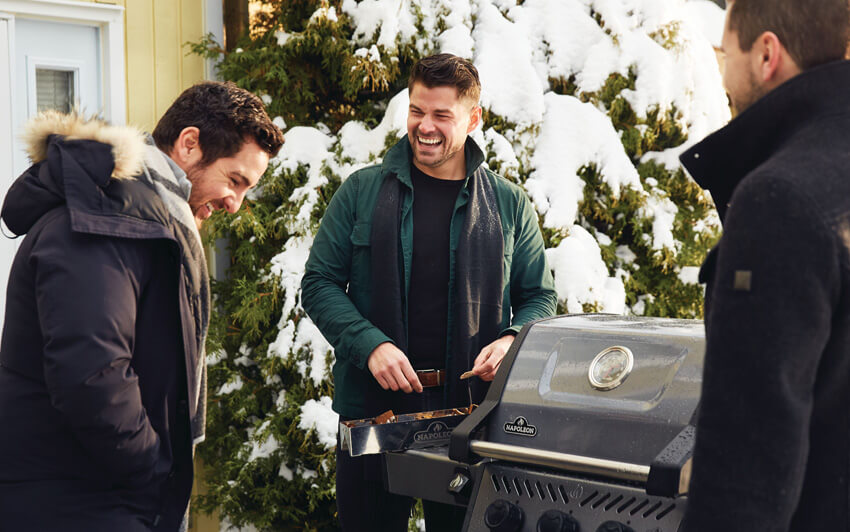
Show us what you are grilling
Join the #NapoleonEats Community on Social



#NapoleonEats
@NapoleonProducts