

4 Ways to Reduce a New HVAC System Cost
Over the past few years, American homeowners have faced a steep rise in HVAC system cost, especially when it's time to install new HVAC units. This surge in HVAC system cost is partly due to skyrocketing prices of vital metals like copper and aluminum, labor shortages, tangled global supply chains, and high global demand. At the same time, there's a growing clamor for HVAC systems that are more energy-efficient and environmentally friendly, adding another layer to the HVAC system cost. These cutting-edge systems, designed to comply with stringent environmental standards and meet the sustainability expectations of consumers, incorporate sophisticated technology and high-quality materials. They offer considerable savings on energy bills and a smaller carbon footprint over time, but the initial investment may be higher.
Investing in a new heating or cooling system is a significant decision, and there's a lot to think about how efficient it is, the right size for your home, the type of system that suits your needs, and of course, making sure it fits within your budget. Understanding these factors and navigating the array of options is crucial. Let’s dive into some useful tips on how you can lower your HVAC system cost.
Choose the Correct Size
The most accurate way to determine the correct size of an HVAC system for your home is through a Manual J calculation. This detailed analysis considers various factors, including square footage, climate, the number and type of windows, insulation quality, and even the number of occupants. Insist on this calculation from your HVAC contractor to avoid the pitfalls of oversizing or undersizing your system. Many contractors may use simplified "rule-of-thumb" methods based on square footage alone. While this might give a rough estimate, it often leads to incorrect sizing because it doesn't account for the home's specific characteristics or the local climate. Insist on a more detailed assessment of your HVAC system cost.
If you've made or are planning to make energy efficiency improvements to your home, such as adding insulation or upgrading windows, these can significantly impact the size of the HVAC system you need. A smaller, more efficient system might suffice, leading to savings when it comes to your HVAC system cost.
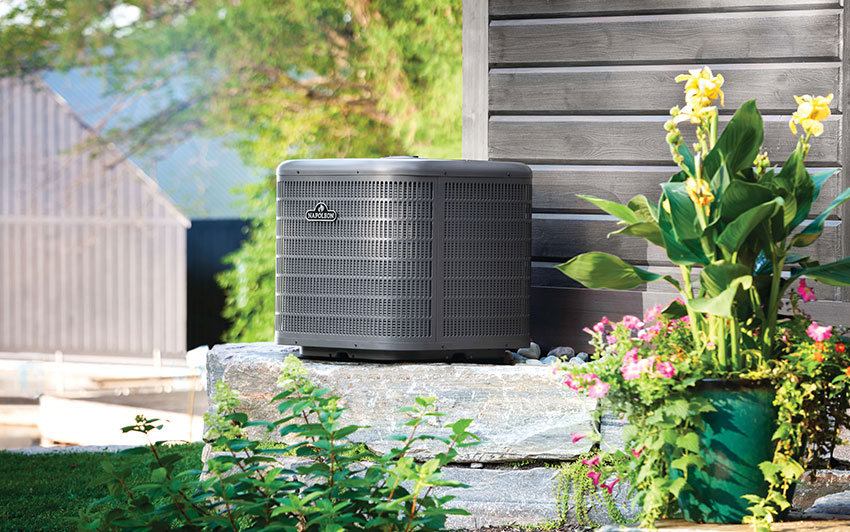
For homes with varying heating and cooling needs across different rooms or levels, consider a zoning system. Zoning allows you to install multiple smaller units or use dampers within the ductwork to control the temperature in different zones of the house independently. This can be more efficient than installing a single, larger unit to handle the entire home.
Focus on Energy Efficiency Ratings
When selecting an HVAC system, it's essential to consider energy efficiency ratings such as SEER2 (Seasonal Energy Efficiency Ratio 2), HSPF (Heating Seasonal Performance Factor), AFUE (Annual Fuel Utilization Efficiency), and EER2 (Energy Efficiency Ratio 2) to maximize savings and promote environmental stewardship. These updated metrics, SEER2 and EER2, replace the previous SEER and EER standards, offering a more accurate reflection of real-world operating efficiency. This strategic investment not only benefits your home's future but also aligns with broader environmental goals.
The U.S. Department of Energy has different efficiency standards for HVAC systems based on geographic regions. Units that are highly efficient in northern climates might not offer the same savings in the south, and vice versa. Tailoring your choice to your specific region can optimize your investment. For instance, in hotter regions, a high SEER2 rating is crucial, whereas in colder areas, a high AFUE rating is more beneficial. Units equipped with variable-speed compressors and fans can adjust their speed to the exact requirements of your home. This technology not only improves energy efficiency but also enhances indoor comfort by maintaining consistent temperatures and reducing humidity levels.
Look for Rebates and Tax Credits
The U.S. government often offers tax credits for installing energy-efficient HVAC systems. These credits can directly reduce the amount of income tax you owe. For example, the Inflation Reduction Act, enacted in recent years, includes provisions for energy efficiency improvements in homes. It's crucial to stay updated on current legislation, as these incentives can change based on federal energy policies and budget allocations. Beyond federal programs, many states and local municipalities offer their own incentives for energy-efficient home improvements. These can include rebates, tax credits, or low-interest loans. The Database of State Incentives for Renewables & Efficiency (DSIRE) is an excellent resource for finding up-to-date information on available incentives in your area.

Consider a Programmable Thermostat and Other Smart Features
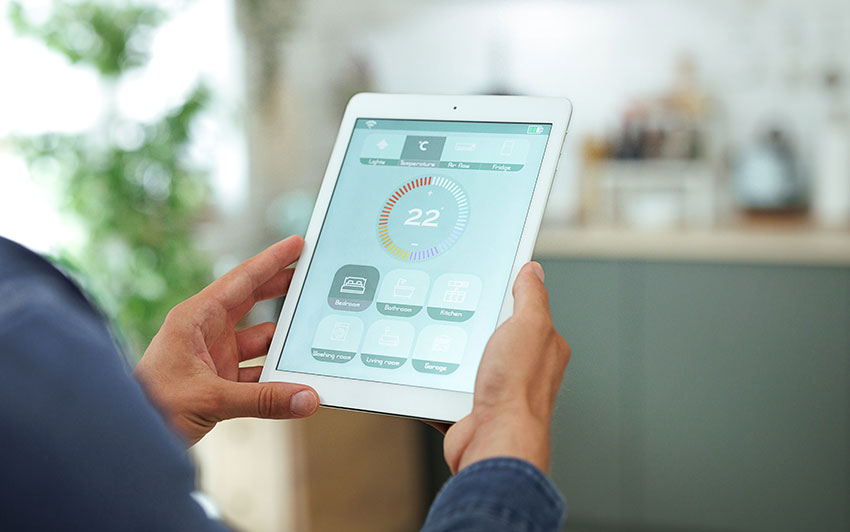
Pairing your HVAC system with a smart thermostat can lead to substantial savings on your home’s HVAC system cost. These thermostats allow you to control your heating and cooling more efficiently, reducing wear on your system and extending its lifespan. Modern, energy-efficient HVAC systems often come with smart features. You can now adjust your heating and cooling settings from anywhere using your smartphone, so you can always come home to a comfortable environment. These systems also track your energy use, giving you insights that can help cut down on costs. Plus, with maintenance alerts sent directly to your phone, you're one step ahead of any potential issues. This smart integration not only boosts efficiency but also tailors your HVAC system's performance to fit perfectly with your lifestyle, offering both convenience and HVAC system cost savings.
Is it Worth Replacing Your HVAC System?
Ready to upgrade your home comfort without breaking the bank? Explore Napoleon's HVAC systems. Our range of energy-efficient heating and cooling solutions is designed to provide maximum comfort while minimizing your HVAC system cost. Napoleon is renowned for its reliability and the promise of years of comfortable and cost-efficient indoor living.
Contact one of our local dealers to learn more.



#NapoleonAtHome
@NapoleonProducts